Anchored in Hope: Trusting God Through the Uncertainty of Breast Cancer
Monday, March 24, 2025
When I was first diagnosed with breast cancer, everything around me felt like it was spinning out of control. Fear gripped my heart, uncertainty clouded my thoughts, and I found myself questioning the future. The weight of the unknown was unbearable at times, and I’m sure many of you can relate to that initial sense of overwhelming panic.
As women of faith, we know what it means to trust in God, but even the strongest faith can feel shaken when facing a life-altering diagnosis. It’s easy to fall into the trap of fear and worry, wondering about health outcomes, family well-being, and the path ahead. But through it all, I learned that hope—real, faith-filled hope—is the anchor that keeps us steady, even when the waves of uncertainty crash around us.
Hope isn’t just a fleeting sense of optimism. It’s a firm foundation, rooted in trust, resilience, and our unwavering belief in God’s plan. Hope allows us to navigate the most difficult of circumstances, not by ignoring reality, but by walking through it with strength, peace, and divine assurance. In this post, I want to share with you how to stay hopeful when the future feels uncertain, leaning into faith, personal practices, and God’s promises.
Understanding Hope Through a Faith Lens
During my breast cancer journey, I came to truly understand that hope isn’t just wishful thinking or blind optimism. It’s not simply telling ourselves to “stay positive” or assuming everything will turn out fine. Real, soul-deep hope is about trusting God’s heart even when we can’t see His hand. It’s about clinging to His promises, especially when the outcome feels uncertain and fear threatens to take over.
Throughout Scripture, we find powerful examples of people who endured suffering yet remained anchored in hope—Job, who lost everything but declared, “I know that my Redeemer lives”; Paul, who wrote letters of encouragement from prison; and the Psalmists, who poured out their anguish yet always returned to God’s faithfulness. Their stories remind us that hope and suffering are not opposites—they are often companions on the path of faith. Hope, in its purest form, is an act of trust—a declaration that God’s plans are good, even when life feels anything but.
As a woman of faith, I’ve always believed that suffering is not a punishment—it’s a place of transformation. It’s where God does His deepest work—refining, strengthening, and drawing us closer to Him. When I received my diagnosis, I had to make a choice: to view the uncertainty as a void of fear, or as a space for God to reveal His power, grace, and purpose in ways I could never imagine. And through that surrender, I discovered that He never wastes a season of pain.
In my heart, I knew there was a divine reason why this happened. You see, I had been praying fervently, asking God to use my gifts in a way that would honor Him and serve others. Breast cancer was not the answer I expected—but through this journey, I found clarity. I realized that my story, my struggles, and my healing were meant to be shared. God was calling me to use my voice and the gift of writing to walk alongside other women of faith, helping them navigate their own journeys with hope, strength, and faith-filled resilience. This calling has become a sacred mission—to remind others that even in life’s darkest moments, we can be anchored in hope, because we are anchored in Him.
Physical Practices to Strengthen Hope
As I walked through my breast cancer journey, I discovered that hope isn’t just something we feel—it’s something we live out in our daily choices, especially when it comes to caring for our bodies. The mind-body-spirit connection is deeply real, and I learned that tending to my physical health wasn’t separate from my faith—it was a sacred way to honor the vessel God gave me and to align my actions with my trust in Him.
During treatment, my energy levels ebbed and flowed, and I had to intentionally listen to my body with compassion and grace. Gentle movement—like short walks, stretching, or even just breathing deeply in God’s presence—became more than physical activity. These moments grounded me in God’s peace and reminded me that strength isn’t just measured in miles or muscle, but in resilience, presence, and obedience to what my body and spirit needed.
Nourishment also played a powerful role in sustaining my hope. I chose whole, nutrient-dense foods that fueled healing, energized my body, and supported my immune system. I made the decision to avoid carbs and sugar—even through the fatigue of chemo and the effects of steroids—not out of restriction, but out of faith-filled stewardship. Every bite of life-giving food was an act of trust, a declaration: “Lord, I believe You are with me in this. I choose to honor this body You’re helping me heal.” By making these choices, I was able to maintain my weight, my energy, and most importantly, my sense of empowerment in a situation that often felt out of control.
And rest—rest became holy. In a world that praises hustle and productivity, I had to remind myself that healing often happens in stillness. Embracing rest wasn’t a sign of weakness; it was a sign of trust. Trust that God was working in the unseen, restoring me in ways beyond what I could feel or measure. As I laid down to rest, I would often whisper, “Lord, I trust You are healing me, even now.” And in that quiet surrender, I found peace—peace that anchored me when the future felt uncertain.
Taking care of our bodies during breast cancer isn’t about perfection or performance—it’s about partnership with God. It’s about making choices that align with hope, and declaring with each step, each meal, and each moment of rest, that we believe in His promises, even when we can't yet see the outcome.
Mental Strategies for Cultivating Hope
Hope doesn’t just live in our hearts—it begins in our minds. And during my breast cancer journey, I learned firsthand that the real battle for hope is often waged in our thoughts. The relentless “What ifs?”—What if the treatment doesn’t work? What if I can’t be there for my family? What if life never feels normal again?—can feel like a tidal wave, threatening to drown any sense of peace.
But here’s what I discovered: Faith doesn’t require perfect circumstances; it invites us to trust God even in the middle of the storm. It’s not about pretending everything is fine, but about choosing to believe that God’s presence is steady, even when life feels anything but steady.
One of the most powerful mental tools that helped me anchor in hope was redirecting my thoughts. I intentionally spoke God’s promises over my fears. I meditated on scriptures that reminded me of His faithfulness—verses like Isaiah 41:10: “Do not fear, for I am with you”—letting those words take root in my spirit when anxiety tried to take over. This wasn’t just positive thinking; it was faith-filled thinking, grounded in truth.
Journaling became a lifeline. When fear overwhelmed me, I poured it all out onto the page—no filters, no judgment, just raw honesty before God. Then, I’d gently shift my focus, writing down even the smallest blessings: a kind word from a friend, a moment of laughter with my family, the strength to get out of bed. Reframing fear into gratitude didn’t make the hard things disappear—but it magnified God’s goodness in the midst of them and helped me reclaim mental space for hope.
Over time, my journal became more than just a place for processing—it became a testimony of resilience. It bore witness to the pain, yes—but also to the growth, the small victories, the glimpses of joy. It reminded me that I was not just surviving—I was being transformed.
One mental “anchor” that carried me through was a simple but profound phrase: “Even if…” Even if the outcome isn’t what I hoped for, even if the road is harder than I imagined—God is still with me. This truth shifted everything. It reminded me that my hope isn’t tied to circumstances—it’s anchored in God’s unchanging faithfulness. That’s the kind of hope that no diagnosis, no uncertainty, and no fear can take away.
Emotional Wellbeing and the Power of Hope
Let me begin by saying this: it’s okay to feel afraid, anxious, or uncertain. Truly, it is. As women of faith, we often carry an invisible weight—the pressure to be “strong,” to have unwavering faith, to hold it all together. But real healing—soul-deep healing—begins when we give ourselves permission to feel.
Grief, fear, sadness, and anger are part of this journey. They don’t make us weak, and they certainly don’t mean we’re lacking faith. They make us human. But here’s the key: these emotions don’t define us—they guide us. They reveal the thoughts we’re holding onto, and as I learned, our thoughts have the power to either nurture hope or fuel despair.
One of the most powerful shifts I experienced was learning to be curious, not critical, about my emotions. When fear surfaced, I asked myself, “What am I thinking right now that’s feeding this fear?” Because our emotions are messengers, pointing to the thoughts we’re dwelling on—and what we focus on, grows. If I stayed fixated on the worst-case scenarios, anxiety would take root. But when I gently questioned those thoughts and brought them before God, I could begin to renew my mind and feel differently in return.
Give yourself grace in this process. Healing is not just physical—it’s emotional, spiritual, and mental. When we uncover the thoughts beneath our emotions, we can invite God into those places, and in doing so, we create room for peace to take the place of panic.
During my treatment, I found solace in sacred, safe spaces. Sometimes it was prayer and quiet time with God, resting in His presence during Eucharistic Adoration. Other times it was pouring my heart out to my husband, sharing tears and laughter with a friend, or connecting with women who truly understood what I was facing. These moments reminded me I wasn’t alone—that hope grows in community. And sometimes, just knowing you’re not walking this path by yourself is enough to breathe again.
One of the most unexpected lessons I learned was that joy and grief can coexist. Even in the darkest valleys, I sought out small, life-giving moments—a warm cup of tea, a heartfelt hug from my kids, birdsong outside my window, or a sliver of sunlight streaming through the clouds. These moments weren’t just fleeting comforts; they were reminders of God’s goodness, even in the hard. They helped shift my focus from fear to gratitude, and with that shift came hope—quiet, steady, and strong.
Hope isn’t about denying the pain. It’s about believing that God is still at work in the midst of it. And that belief—nurtured through grace, reflection, connection, and joy—is what carried me through.
Spiritual Practices to Deepen Hope
During my breast cancer journey, prayer became my lifeline—not just a ritual, but a refuge. When I had strength, I lifted up prayers of thanksgiving, praising God for another day, another breath, another moment with my family. When I felt weak—physically, emotionally, spiritually—I cried out for strength, for peace, for grace to carry me through. And on days when I had no words left, I simply sat in stillness, in His presence, trusting that God saw my heart, heard my silence, and held me close.
Hope, for me, was not a fleeting feeling—it was a holy practice, something I nurtured daily through connection with God. One scripture that became an anchor for my soul was Isaiah 41:10: "Do not fear, for I am with you; do not be dismayed, for I am your God." These words weren’t just verses—they were God’s personal whisper to me in the middle of my fear. I clung to them, especially in the waiting rooms, during treatments, and in the quiet of the night when anxiety crept in. This verse reminded me that God wasn’t distant or silent—He was right there, holding me steady when everything else felt uncertain.
I also found that personalizing my faith practices brought God’s presence even closer. I filled my home with worship music—tuning in to AirOne and K-LOVE, letting gospel lyrics speak truth into my heart when I couldn’t find my own. I dove into devotional studies with our parish’s Catholic Women in Community, drawing strength from the shared faith of other women who stood by me in prayer.
One sacred moment I will never forget was when our pastor anointed me with Holy Oil. It was a powerful, holy encounter—not just for me, but for my family. My children were there, witnessing God’s healing touch in real time. That moment created a sense of unity in faith for all of us, a reminder that God’s healing power reaches beyond the physical—it touches hearts, minds, and relationships.
Faith isn’t just something we believe—it’s something we live. Through prayer, scripture, music, community, and sacred rituals, I deepened my hope by drawing nearer to God—not because I had all the answers, but because I trusted the One who did.
Relationships That Nurture Hope
One of the greatest gifts God gave me during my breast cancer journey was the love and support of those around me—my family, friends, and faith community. But I quickly realized that in order to receive that support, I had to be honest and vulnerable. Communication became a lifeline. I had to learn to express my needs—especially on days when I felt emotionally and physically depleted. There were times I didn’t have the energy to explain, but when I did, it opened the door for others to support me in meaningful ways. Vulnerability wasn’t weakness—it was strength in surrender.
Connecting with other women of faith who had walked this path before me became a powerful source of hope. Their stories—of survival, faith, and quiet courage—were like lighthouses in my storm. They reminded me that hope doesn’t always look like being strong or fearless—sometimes, hope is simply showing up, allowing yourself to be seen in the struggle, and choosing to trust God for just one more step.
My marriage was refined in the fire during this season. My husband became my rock—a true reflection of Christ’s love in human form. He was by my side for every doctor’s appointment, every chemotherapy treatment, sitting in waiting rooms during surgeries, and holding my hand through radiation. He lived out our vows of “in sickness and in health” with quiet strength and unshakable faith. His presence was a constant reminder that I was not alone, and together, we found strength we didn’t know we had.
Relationships—whether with a spouse, a friend, or a community—nurture hope when they are built on honesty, grace, and shared faith. Don’t be afraid to lean on others, to let them walk with you, pray with you, cry with you, and celebrate with you. In those connections, God often reveals His love in the most tangible, healing ways.
Daily Habits to Sustain Hope
Incorporating hope into my daily routine wasn’t just helpful—it became essential to my healing, both physically and spiritually. When the days felt long and uncertain, anchoring myself in daily rhythms rooted in faith helped me feel grounded and secure, even when everything else felt out of my control.
I learned that hope doesn’t always arrive in big, dramatic moments—more often, it’s found in the small, consistent practices that connect us to God’s presence and remind us of His promises.
I began and ended each day with intentional moments of stillness—whether that was through prayer, reading scripture, affirmations of God’s truth, or simply sitting in silence, inviting His peace into my heart. These simple rituals became sacred. They gave me a sense of stability in the midst of chaos and allowed me to begin each day with a posture of surrender and trust.
Journaling in the morning helped me set the tone for the day—I’d write down a scripture, a prayer, or even just a thought of gratitude, no matter how small. In the evenings, I reflected on what I had experienced and intentionally looked for moments of God’s faithfulness, whether through a kind word from a loved one, a peaceful moment outdoors, or the strength to simply get through the day.
I also created what I call “hope anchors”—a short list of daily habits that nurtured my mind, body, heart, and spirit:
- Hydration and nourishing meals as an act of self-love and faith in God's design for healing.
- Gentle movement, even just a walk to the mailbox, to honor the strength He was restoring in me.
- Listening to worship music—AirOne, K-Love, and gospel playlists that lifted my spirit and kept my focus on His truth.
- Breath prayers throughout the day, like "Jesus, I trust in You" or "God, You are my strength" to re-center my thoughts in moments of fear or fatigue.
These habits were not about perfection—they were about intentionally creating space for hope to take root and flourish, even on the hardest days. They reminded me that I could choose hope, choose faith, and choose life—one small act, one moment, one breath at a time.
If you’re feeling overwhelmed, start small. Choose one daily habit that brings you closer to God and nurtures your spirit. Over time, these small choices will build a well of strength and peace within you—a place where hope can dwell, no matter what the day brings.
“Never be afraid to trust an unknown future to a known God.” — Corrie ten Boom
This truth carried me through some of my hardest days—and I pray it anchors you, too. Even when the future feels uncertain, you are held by the One who already knows the way forward.
Live your best pink life, my friends!
Prayer
Loving Father, for the woman reading these words right now, I pray Your peace would surround her heart and mind. Whatever uncertainty she faces, may she feel Your presence as a tangible reality. Help her to anchor her hope not in ideal outcomes but in Your unchanging character. Remind her that You are working even when she cannot see it, that Your love never fails even when everything else seems to. Give her courage for today and hope for tomorrow. In Jesus' name, Amen.
P.S. If you're feeling overwhelmed by uncertainty and struggling to trust God's plan during your breast cancer journey, I encourage you to download my free guide, Empowered Journey: A 5-Step Holistic Guide for Women Navigating Breast Cancer. Trusting God in times of uncertainty is a powerful practice that can help you find peace, strength, and hope. You don’t have to face this journey alone. Together, we’ll explore how to anchor yourself in faith and build resilience, so you can move forward with confidence and the peace that only God can provide.
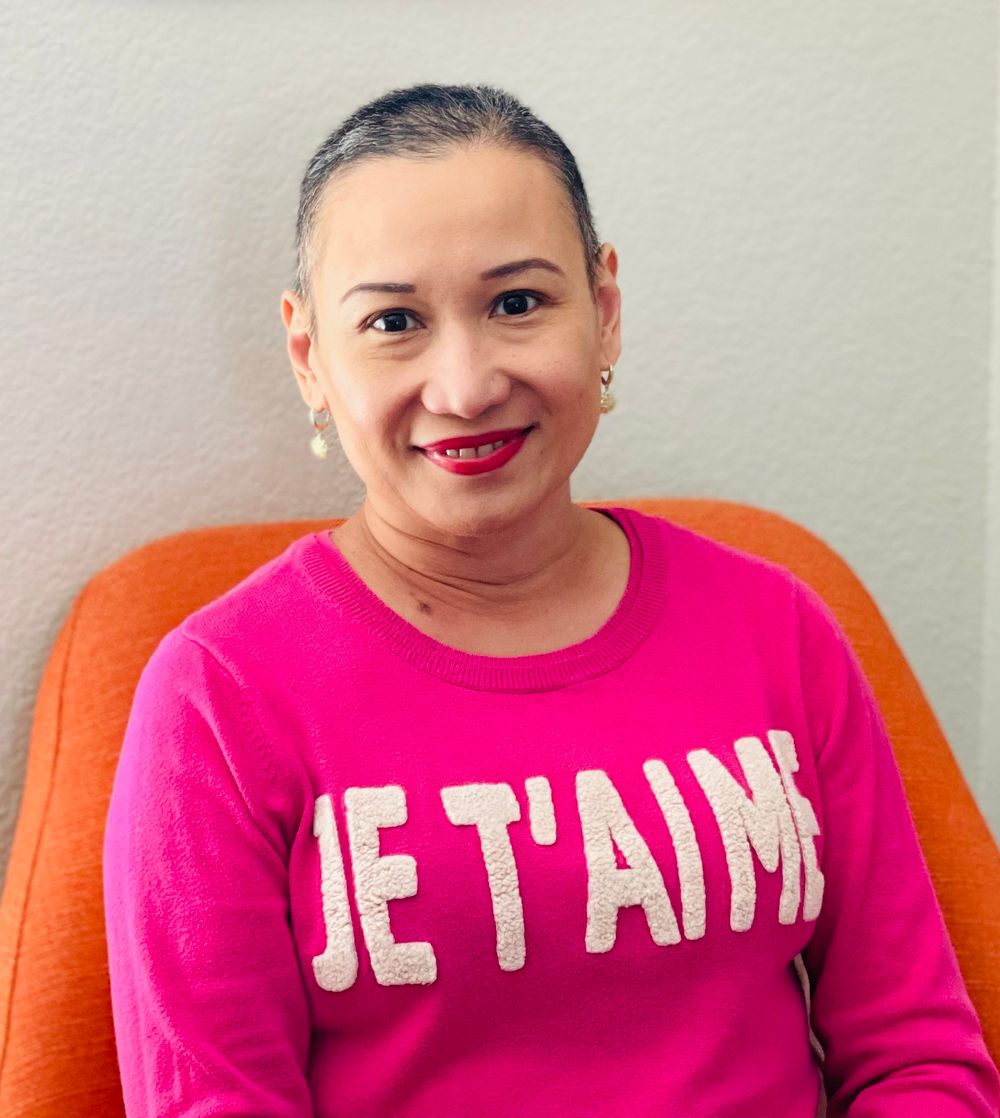
Hey I'm Michelle
Your Pink Sister and Tough-Love Cheerleader
You don’t have to lose yourself to breast cancer. 💗
Certified faith-based life + health coach.
Breast cancer survivor.
Wife. Mom. Warrior in heels.
Let’s get one thing straight:
You don’t have to lose yourself to breast cancer.
Not your faith.
Not your fire.
Not your future.
If you’re overwhelmed, exhausted, and wondering how you’re supposed to hold it all together while your life feels like it’s falling apart, you’re not alone.
I’ve been where you are: scans, side effects, sleepless nights, and the silent question: "God, am I going to be okay?"
And here’s what I know for sure:
You can still heal—physically, emotionally, and spiritually.
You can still feel strong, beautiful, and anchored in peace.
You can thrive in the middle of the fight.
Inside every blog post here, you’ll find faith-filled truth, real tools, and zero fluff.
We’ll quiet the fear, strengthen your body, process the hard emotions, lean hard into God’s promises.
And walk this road together.
Because you’re not broken.
You’re becoming.
💖 Live your most faith-fueled, pink-powered life... one healing step at a time.
PAGES
SOCIAL
