The Sacred Power of Setting Boundaries in Your Breast Cancer Journey
Monday, March 17, 2025

Navigating breast cancer is an all-encompassing journey that challenges not only the body but also the mind, heart, and spirit. For women of faith, this journey comes with unique struggles—balancing trust in God with the realities of medical treatment, managing emotional exhaustion, and maintaining relationships. One of the most powerful yet often overlooked tools in this journey is the ability to set boundaries.
In my own breast cancer experience, I learned that boundaries were not just necessary—they were sacred. Initially, I hesitated, fearing that saying "NO" would make me seem ungrateful or selfish. But I soon realized that setting limits was an act of faith, a way to protect my healing, and a demonstration of trust in God's plan for me.
The misconception that boundary-setting is selfish rather than an act of stewardship is common. Yet Scripture reminds us that we are called to care for our bodies and energy as temples of the Holy Spirit
“Do you not know that your bodies are temples of the Holy Spirit, who is in you, whom you have received from God? You are not your own; you were bought at a price. Therefore, honor God with your bodies.” – 1 Corinthians 6:19-20
The Physical Impact of Boundaries in Healing
Cancer treatments—whether chemotherapy, radiation, surgery, or ongoing medications—place a significant strain on the body. While your body fights to heal, the last thing you need is to stretch yourself too thin. Boundaries are not about shutting people out; they are about creating the space necessary for your body to restore itself.
During my treatments, I learned to take each day as it came, listening closely to what my body needed. On days when I felt strong enough, I made it a priority to go for a walk, even if it was just a short one, to keep my body moving and my spirit uplifted. While juggling full-time work, I made a conscious decision to take time off whenever I had a chemotherapy infusion, allowing my body the rest it needed without the added strain of work commitments. Prioritizing my well-being in this way became an essential act of self-care and resilience.
Without boundaries, you risk:
- Delayed Recovery – Your body needs energy to heal. If you're constantly accommodating others' needs or pushing yourself beyond your limits, your body's ability to recover slows down.
- Weakened Immune System – Stress and exhaustion lower immunity, making you more susceptible to infections or complications.
- Increased Side Effects – Fatigue, nausea, brain fog, and pain can worsen when you're not prioritizing rest.Chronic Fatigue – Pushing through exhaustion can create long-term depletion, making it harder to regain strength.
Here are some tips to creating boundaries for physical healing:
- Listen to Your Body – If your body needs rest, honor it. Make healing your top priority, not pleasing anyone else.
- Say NO Without Guilt – It's okay to decline visitors, requests, or activities that deplete your energy.
- Delegate and Accept Help – Let others assist with meals, errands, or household tasks. You don't have to do it all. Be able to clearly articulate what you need from those seeking to support you, whether it's babysitting your kids while you slept or creating a meal train so you don't have to worry about food.
- Prioritize Rest and Sleep – Quality rest is just as important as treatment. Set boundaries around bedtime and create a peaceful sleep environment.
- Limit Overstimulation – Large gatherings, excessive noise, or constant notifications can be draining. Allow yourself moments of quiet and solitude.
By setting these boundaries, you are not just protecting your body—you are actively supporting your healing journey. Boundaries are an act of self-love and trust in God’s design for restoration.
The Emotional Toll: Guarding Your Heart to Sustain Hope and Resilience
A breast cancer diagnosis is not just a physical battle—it is an emotional and spiritual journey. From the moment of diagnosis through treatment and beyond, emotional exhaustion can creep in, draining your strength and shaking your sense of self. Without boundaries, you risk becoming emotionally depleted, making it harder to stay anchored in faith, hope, and resilience.
During my journey, my husband and I made a deliberate choice to share my diagnosis only with a select group of close friends and family. We knew we had enough to navigate without also managing others’ reactions and expectations. This decision created a protective space for me to focus on healing, free from the emotional weight of negativity or unsolicited sympathy that could drain my strength.
When your emotional energy is stretched too thin, it affects every aspect of your healing:
- Increased Stress and Anxiety – Constant worry about treatments, outcomes, and others' expectations or reactions can heighten stress, which negatively impacts the immune system.
- Overwhelm and Mental Fog – The sheer volume of medical decisions, lifestyle changes, and emotional processing can lead to decision fatigue and mental exhaustion.
- Heightened Sensitivity to Negativity – Fear-based conversations, unsolicited advice, unwanted opinions, and others' anxieties can weigh heavily on your spirit.
- Loss of Joy and Motivation – When emotional exhaustion sets in, it can be hard to find moments of peace, hope, gratitude, or excitement about the future.
Women of faith navigating breast cancer often take on emotional burdens they weren’t meant to carry which can lead to emotional energy drains:
- Managing Others' Fears – Well-meaning family and friends may express their worries to you, which can unintentionally shift emotional weight onto your shoulders.
- Unsolicited Advice and Opinions – Constant input from others about treatment choices, diet, or healing methods can feel overwhelming and even confusing, and can go against the treatment plan you and our medical team have agreed on.
- The Expectation of Strength – People may expect you to remain positive at all times, unintentionally leaving little room for you to process your true emotions. However, allowing yourself to fully experience and navigate your feelings is not only healthier but essential for your overall well-being and healing.
- Feeling Guilty for Needing Rest – Most women, me included, struggle with the idea that they "should" be doing more, even when rest is necessary.
Here are some tips to setting boundaries to protect your emotional well-being:
- Limit Energy-Draining Conversations – It's okay to step away from discussions that heighten fear, stress, or doubt.
- Prioritize Uplifting Relationships – Spend time with those who bring peace, encouragement, and faith into your life instead of those who drain your energy.
- Give Yourself Permission to Feel – True strength isn’t about suppressing your emotions; it's about acknowledging and processing them. Allow yourself the space to navigate grief, fear, and even anger without judgment. Take a moment to explore the thoughts fueling these emotions—what you dwell on shapes how you feel, which in turn influences your actions and ultimately the outcomes in your life. By understanding this connection, you empower yourself to respond with intention and grace.
- Release the Need to Manage Others' Emotions – You are not responsible for making others feel comfortable about your diagnosis. Your healing comes first.
- Create Moments of Joy and Stillness – Seek out small joys—whether through a favorite hobby, prayer, music, or time in nature.
By protecting your emotional well-being, you are creating the space needed for true healing. Boundaries allow you to navigate this journey with grace, resilience, and the unwavering belief that God is walking with you every step of the way.
The Spiritual Necessity: Guarding Your Time with God for Strength and Renewal
For women of faith navigating breast cancer, spiritual connection is not just a source of comfort—it is an essential foundation for resilience, healing, and hope. However, without clear boundaries, the noise of the world—medical appointments, well-meaning but overwhelming advice, and the expectations of others—can drown out God’s voice, leaving you feeling spiritually depleted.
There is no shame in questioning God and wondering why this is happening to you—it’s a natural, human response. I’ve been there too, asking why I had to face this when so many others who seem undeserving of grace walk free from suffering. Though my faith in God runs deep, I am still a flawed human, and moments of doubt inevitably surface. But in those moments, I find comfort in knowing that God sees every emotion, every question, and every struggle—and He loves me just as fiercely through it all.
Faith is often tested in times of hardship. When facing a diagnosis, women may struggle with questions like:
- "Why is this happening to me?"
- "How can I stay strong when I feel so weak?"
- "Does God even hear my prayers?"
- "Where do I find peace in the middle of this storm?"
Without intentional boundaries to protect your spiritual life, it becomes easy to drift into fear, doubt, and exhaustion—further distancing you from the strength and peace usually found in God's presence.
Here are some consequences of neglecting spiritual boundaries:
- Feeling Disconnected from God – When the demands of treatment, work, and family take over, prayer and reflection can become an afterthought, leading to a sense of spiritual emptiness.
- Spiritual Burnout – Well-meaning people may offer advice like, "Just have more faith and you'll be healed".This can lead to guilt, frustration, and a misunderstanding of God's role in healing.
- Absorbing Fear-Based Messaging – Conversations centered around worst-case scenarios or skepticism toward faith-based healing can plant seeds of fear and doubt.
- Lack of Inner Peace – Without time to pray, meditate, and reflect, it’s easy to become overwhelmed by external pressures and lose sight of God's promises.
To stay spiritually anchored, it’s vital to carve out sacred time and space to hear from God. Here’s how:
- Establish a Daily Practice of Prayer and Reflection – Whether it's morning devotionals, journaling, or quiet prayer, dedicating time to commune with God strengthens your spirit.
- Limit Exposure to Negative Spiritual Messaging – If someone's words make you feel guilty for struggling or imply that faith alone guarantees healing, set a boundary around those conversations. Faith is not about perfection; it's about trust.
- Create a Sacred Healing Space – Set up a prayer corner or designated space in your home where you can sit with God, free from distractions.
- Surround Yourself with Faith-Filled Encouragement – Surround yourself with those who uplift and strengthen your spirit—faith-based support groups, trusted mentors, or devotionals that remind you of God's unwavering promises. Seek out a community of women in your church who gather for Bible study or devotional reflection. For me, the Catholic Women in Community at our parish became a true lifeline, covering me in prayer and drawing me into a deeper, more intimate relationship with God.
- Say "NO" to Overcommitment – While acts of service and caring for others are meaningful, they can sometimes come at the expense of your own healing. Grant yourself the grace to step back and prioritize your spiritual restoration. A wise friend once reminded me that "No" is a complete sentence. You don't need to justify it—honoring your well-being is reason enough.
- Listen for God's Guidance – Healing is a journey, and God often speaks in the quiet moments. By setting boundaries around distractions, you create space to hear His wisdom more clearly. Consider setting a reminder on your phone to pause for 10 to 15 minutes throughout the day—breathe deeply, quiet your mind, and open your heart to the message He may be whispering in the stillness.
Jesus Himself set spiritual boundaries, withdrawing from crowds to pray and be with the Father (Luke 5:16). If Christ made time for sacred connection, so should we.
By protecting your spiritual well-being, you are not only nurturing your faith but also building the inner strength needed to navigate this season with grace and resilience.
“Be still, and know that I am God.” – Psalm 46:10
Boundaries are not barriers; they are sacred choices that keep you aligned with the peace and strength found in God’s presence.
The Caregiver’s Dilemma: Learning to Receive While Still Giving
For many women—particularly mothers, wives, and caregivers—nurturing others comes naturally. You’ve dedicated years to ensuring your family is well-fed, your home is organized, and your loved ones feel supported. You’ve been the steady rock, the problem solver, the one who holds everything together. And if you’re a working mother, you’ve also played a vital role in providing for your family’s financial needs.
But what happens when breast cancer enters the picture and suddenly you are the one who needs care?
This shift can be deeply uncomfortable. You may feel torn between prioritizing your healing and maintaining your role as the caregiver. You might struggle with guilt, believing that saying “NO” to others means you are failing them. Yet, setting boundaries isn’t about neglecting your family—it’s about ensuring that you have the strength, energy, and peace of mind to heal so you can continue being present for them in a sustainable way.
While I continued to work full-time and care for my family during treatments, I made it a point to be clear when I needed rest instead of pushing myself to cook. My family quickly learned to fend for themselves when necessary. I also communicated openly with my husband and kids about the need for their support, as my energy levels were not what they once were. My husband and I both agreed that hiring someone to clean our house once a month is a worthwhile investment, rather than forcing myself to take on the task.
Your faith calls you to serve, to love unconditionally, and to support those around you. However, many women of faith have internalized the belief that self-sacrifice equals godliness. While Jesus modeled servant leadership, He also showed us the importance of rest, solitude, and setting limits (Mark 1:35, Luke 5:16). Being a caregiver does not mean pouring from an empty cup; it means stewarding your energy so you can serve in alignment with God’s wisdom.
Common struggles that arise in the caregiver’s dilemma include:
- Guilt Over Not Doing Enough – Feeling like you should still cook, clean, or care for your family despite being physically and emotionally drained. I've suffered from this guilt and I know most women dealing with breast cancer do too.
- Fear of Disappointing Loved Ones – The fear that saying no will cause tension or make others feel overlooked. Just like the pilot's instruction to put on your own oxygen mask before helping others in an emergency, prioritizing yourself is not only beneficial but essential for your healing. Taking care of your needs first empowers you to be more present and supportive for those you love.
- Difficulty Accepting Help – Many women struggle with letting others step in because they're used to being the helper, not the one receiving support. It's important to release the need to control everything and allow others to assist when needed. Remember, just as you desire to serve others, those close to you also want to support you. Give them the opportunity to do so.
- Pressure to Maintain Normalcy – Family, friends, or colleagues may expect you to continue life as usual, not realizing the toll treatment is taking on you.
- Overextending for Emotional Support – Taking on the worries, fears, and emotions of others when you're already carrying your own burdens. Give yourself permission to step away from conversations that drain your energy and weigh on your spirit. If those who care about you truly understand, they will respect your need for space.
Reframing Boundaries as a Sacred Responsibility
Rather than seeing boundaries as selfish, view them as a necessary act of faith. Stewarding your energy wisely allows you to heal fully and be there for your loved ones in a more meaningful way. Here’s how you can start:
- Recognize That Your Needs Are Just as Important – You cannot pour into others if you are completely drained. Allowing yourself to receive care is an act of wisdom, not weakness.
- Accept Help Without Guilt – When loved ones offer to cook meals, run errands, or care for your children, say yes. Letting them serve you is not a burden; it's a blessing and a sacred act of service.
- Communicate Clearly and Kindly – Let your family know what you need. Saying, "I love you, but I need to rest right now" or "l appreciate your concern, but I can't talk about this today" sets expectations without guilt.
- Prioritize Rest as a Healing Practice – Your body needs rest to recover. Saying NO to unnecessary obligations is a way to honor the healing work God is doing in you.
- Trust That Others Will Step Up – Sometimes we fear that if we don't do something, it won't get done. But by stepping back, you allow others to rise to the occasion.
- Let Go of Perfection – Your home doesn't need to be spotless. Your meals don't have to be homemade. Your family will be okay if things are not exactly as they were before your diagnosis.
Even Jesus, the ultimate servant leader, took time to step away, rest, and renew His strength (Luke 5:16). If Christ Himself set boundaries, then you, too, have permission to do the same. Your healing matters, and setting limits is not an act of selfishness—it is an act of faith.
My dear pink sister, healing is a journey, and part of that journey is learning to release the burden of doing it all. Boundaries do not mean you stop loving or caring for others. They mean you are wise enough to recognize that by protecting your energy, you are allowing yourself the space to heal, to strengthen your faith, and to truly be present in the moments that matter most.
“Come to me, all you who are weary and burdened, and I will give you rest.” – Matthew 11:28
By setting boundaries, you are embracing God’s invitation to rest, heal, and receive His grace—without guilt, without shame, and without apology.
"The best way to care for others is to first care for yourself. You cannot pour from an empty cup." – Unknown
Live your best pink life, my friends!
P.S. If you're finding it hard to set boundaries during your breast cancer journey, I invite you to download my free guide, Empowered Journey: A 5-Step Holistic Guide for Women Navigating Breast Cancer. Setting boundaries is a powerful act of self-care that can help you protect your energy, nurture your relationships, and honor your healing process. You don't have to sacrifice your peace in order to move forward. Together, we'll explore how to establish the healthy boundaries you need to thrive with strength, grace, and clarity.
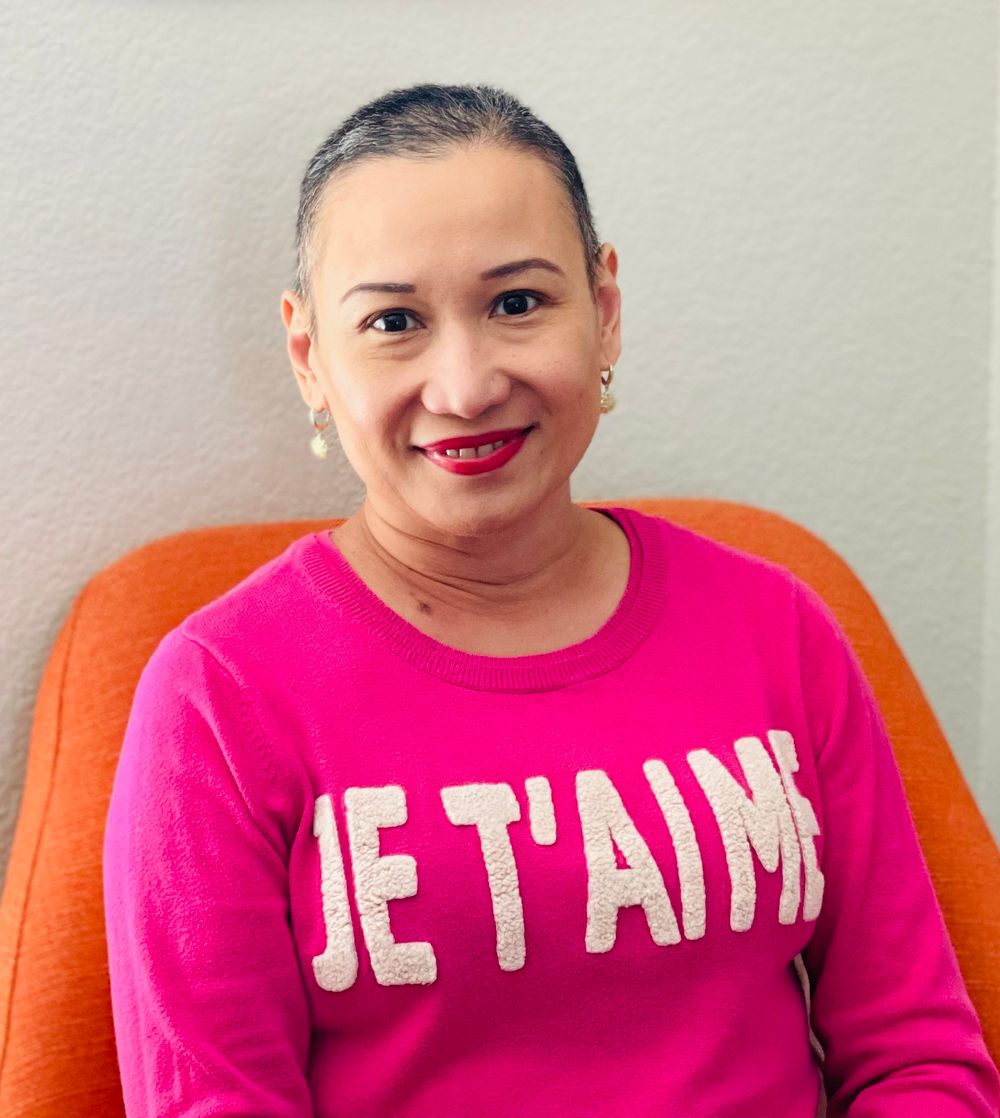
Hey I'm Michelle
Your Pink Sister and Tough-Love Cheerleader
You don’t have to lose yourself to breast cancer. 💗
Certified faith-based life + health coach.
Breast cancer survivor.
Wife. Mom. Warrior in heels.
Let’s get one thing straight:
You don’t have to lose yourself to breast cancer.
Not your faith.
Not your fire.
Not your future.
If you’re overwhelmed, exhausted, and wondering how you’re supposed to hold it all together while your life feels like it’s falling apart, you’re not alone.
I’ve been where you are: scans, side effects, sleepless nights, and the silent question: "God, am I going to be okay?"
And here’s what I know for sure:
You can still heal—physically, emotionally, and spiritually.
You can still feel strong, beautiful, and anchored in peace.
You can thrive in the middle of the fight.
Inside every blog post here, you’ll find faith-filled truth, real tools, and zero fluff.
We’ll quiet the fear, strengthen your body, process the hard emotions, lean hard into God’s promises.
And walk this road together.
Because you’re not broken.
You’re becoming.
💖 Live your most faith-fueled, pink-powered life... one healing step at a time.
PAGES
SOCIAL
