Parenting Through Breast Cancer: Supporting Your Children While Caring for Yourself
Monday, February 10, 2025
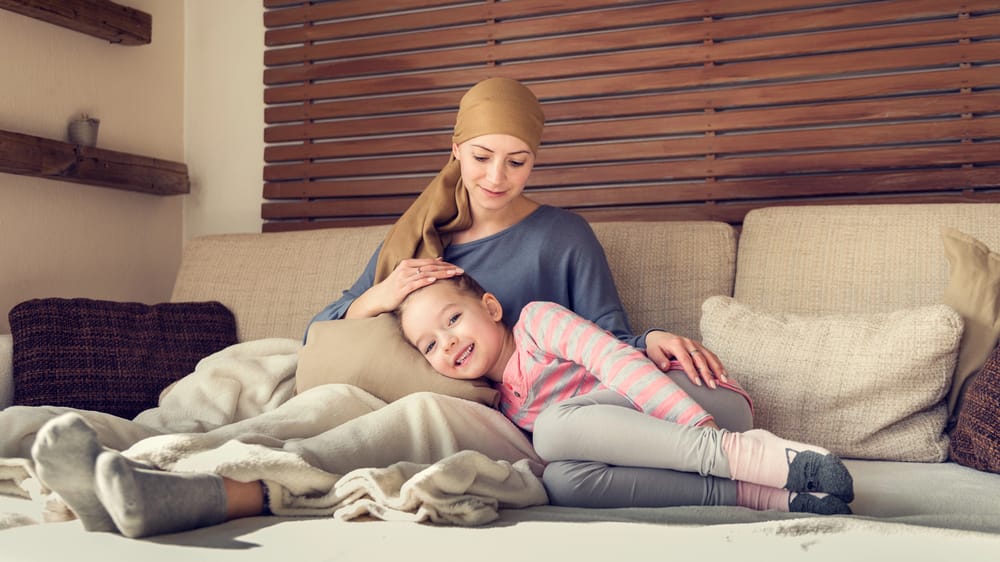
Parenting is already a journey of love, patience, and faith—but parenting while navigating breast cancer adds layers of challenges you never expected. When I was diagnosed, one of my first thoughts was, "How will this affect my children?" I wanted to protect them, to keep their world as stable as possible, even while mine was turned upside down.
If you’re walking this path, know that you are not alone. You can support your children through this journey while still prioritizing your own healing. It’s not about having all the answers—it’s about walking in faith, showing love, and allowing God’s grace to fill in the gaps.
Let me show you how..
1. Embracing Open and Age-Appropriate Communication
One of the hardest moments for me was sitting my children down to tell them I had breast cancer. I worried about their reactions, how much to say, and whether I’d break down in front of them. But I learned that honesty, when delivered with love and reassurance, builds trust and security.
- Tailor the conversation to their age and maturity. My three (3) kids each processed things differently. Respect how they react to the news and let them know that you're available to talk to them individually about their concerns.
- Let them ask questions. Sometimes, kids surprise us with what they need to know—or don't need to know.
- Remind them that they are safe and loved. Reassure them that no matter what, your love and God's presence remain constant.
2. Give them the space to process the news
Understanding how to give children the emotional space they need to process this information is crucial for their well-being and long-term coping.
Children often need time to absorb and understand what cancer means for their parent and family. Some may react immediately with tears or questions, while others might appear indifferent or need days or weeks to show their feelings. This variation in response is completely normal and should be respected.
My husband and I were surprised at how our children reacted to the news. We thought our eldest will be the beacon of strength for the other two. It turned out, he was the most sensitive one and took the news to heart. Our middle son was more logical and wanted assurance that I have a credible medical team taking care of me. Our youngest processed things silently but with the strength and grace that was unusual for a 14 year old.
3. Be curious as to what kind of support they need
Every child responds differently to a parent's cancer diagnosis, and their support needs can vary significantly based on their age, personality, and coping style. Being curious about what each child needs, rather than assuming, allows parents to provide the most effective support during this challenging time.
Children's needs often evolve throughout the cancer journey. What works as support in the beginning might change during treatment or recovery. This makes ongoing curiosity about their emotional state and needs especially important.
Some children might need extra physical closeness and reassurance, while others might need help maintaining their normal routines and activities. The key is remaining observant and asking questions that help uncover their specific needs:
- "How would you like to handle the days when I have treatment?"
- "What helps you feel better when you're worried?"
- "Would you like to talk about this with someone else, like a counselor or your favorite aunt?"
It's also important to recognize that children might not always be able to articulate their needs directly. Parents can watch for behavioral cues:
- Changes in sleep patterns
- Differences in social interactions
- Shifts in academic performance
- New physical complaints like headaches or stomach aches
The support they need might be practical (help with homework), emotional (extra hugs or cuddle time), social (time with friends), or informational (age-appropriate facts about cancer).
4. Be able to provide outside support as needed
When navigating breast cancer treatment as a parent, professional support services specifically designed for children can be invaluable. Organizations like Wonders and Worries offer specialized support that complements what parents can provide at home. These services create a unique, safe space where children can process their emotions and provide an understanding of their parent's illness.
Licensed therapists who specialize in supporting children of ill parents can:
- Explain complex medical treatments in age-appropriate ways
- Provide activities designed to help children express their feelings
- Create a safe environment where children can ask any questions without worry
- Help children understand what to expect during different stages of treatment
- Give children tools to cope with their emotions and changes in family life
One of the most powerful aspects of these services is that they allow children to speak freely with a neutral party. Children often carry heavy emotional burdens during a parent's illness - they may worry about upsetting their sick parent, feel guilty about their feelings, or try to be "strong" for the family. Having a separate space where they can express all their fears, anger, or confusion without worrying about protecting their parents' feelings is incredibly valuable.
Professional support services can become an essential part of a family's support system, providing children with coping mechanisms and emotional tools that benefit them throughout their parent's cancer journey and beyond.
Outside support can also come in the form of reaching out to your church community and spiritual leaders who can provide vital emotional and spiritual support for your children.
For children who are already connected to their faith community, having their Pastor or spiritual leader as part of their support system can provide consistency and stability when other aspects of life feel uncertain. These leaders often understand your family's values and can reinforce familiar teachings and principles that help children cope with difficult circumstances.
My eldest son reached out to our Church Pastor for prayer and blessing as I was going through treatment. He not only prayed for me but gave me the Annointing of the Sick while surrounded by the whole family. When children witness sacred moments like this, it can create powerful emotional and spiritual experiences that help them process their parent's illness through faith.
5. Nurturing Emotional Resilience in Your Children
Children feel our emotions more than we realize. Mine saw my exhaustion, my hair loss, my moments of struggle. And while I couldn’t shield them from everything, I could teach them how to navigate hard emotions with faith.
When I was losing my hair so fast during chemo, my husband and I decided that it was time to shave it off. We asked our children if they wanted to participate. My youngest was very eager and excited. My eldest refused and couldn’t even stand seeing my hair getting shaved off. My middle son helped but we saw him crying through it. But all three of them showed resilience and a deeper understanding of what I was going through, more than we could ever ask for.
- Validate their feelings. They may feel scared, angry, or even guilty for having fun while you're sick. Let them know their emotions are normal.
- Encourage faith-based coping. My family leaned into prayer, scripture, and gratitude. Even the simple act of going to church together brought comfort. Seeing how I faced my battle with steadfast faith and trust in God gave them the courage to stand by my side and support me.
- Find creative outlets. Whether it's journaling, music, extra hugs, or even some one-on-one time help them express their emotions in healthy ways.
6. Maintaining Routines and a Sense of Stability
Cancer disrupts life, but keeping familiar routines gave my kids a sense of normalcy.
- Keep as much of their routine as possible. School, meals together, and bedtime rituals provide security.
- Be open to what you need from them. I was very honest about my limitations. Letting them know when I'm struggling gave them the opportunity to help out.
- Allow them to help in small ways. I asked my boys to vacuum the house, take care of our dogs, or do some errands for me. My eldest became a huge help because he was able to drive our 2 other kids to practice or school activities when my husband and I were in treatment.
- Be flexible and give yourself grace. Some days, you'll need to rest instead of sticking to plans. That's okay. Teach them that flexibility is a strength.
7. Prioritizing Self-Care Without Guilt
As moms, we tend to put our kids first. But I realized quickly that if I didn’t care for myself, I wouldn’t have the strength to care for them.
- Self-care isn't selfish—it's essential. Rest, proper nutrition, stress management, and even doing a hobby I enjoyed helped me be more present for my family.
- Let your kids see you caring for yourself. This teaches them that self-care is a lifelong practice, not a luxury.
- Lean on faith and community. Whether it was a prayer, a friend dropping off a meal, or simply allowing myself to rest, I reminded myself that I wasn't alone.
- Ask for help. Sometimes self-care looks like hiring someone to clean the house, asking a close friend or family to watch over the kids so you can sleep.
8. Seeking and Accepting Support as a Family
I had to learn that asking for help didn’t make me a burden—it made me stronger.
- Involve your village. Family, friends, church members, and even your children's teachers can be part of your support system. As I was going through tough treatment days, my kids' friends' parents would reach out to me to ask if I needed anything. My son's high school counselor checked on me a few times as well. Lastly, the women at our Church became my prayer warriors.
- Encourage your kids to connect with others. Support groups, counseling, or talking to other kids going through similar experiences can help.
- Model healthy help-seeking behavior. When your children see you asking for and accepting help, they learn resilience, not weakness.
9. Cultivating Faith, Hope, and Joy Together
Cancer may change many things, but it doesn’t have to take away your family’s joy or faith.
- Keep faith at the center. Read scripture and go to Church together, pray, and remind each other that God's love is unshaken. Show them that it's ok to ask God "why?" but to trust that there is a deeper purpose and meaning behind everything.
- Find moments of joy. A simple movie night, meals together, a walk outside, or sharing a laugh can be healing for everyone.
- Celebrate the victories—big and small. Whether it's finishing a treatment, a good doctor's report, or simply making it through a tough day, acknowledge those wins.
My dear pink sister, you are doing your best, and that is enough. Your children don’t need a perfect mother—they need you, just as you are. With faith, love, and support, you can guide them through this season with strength and grace.
I know this journey isn’t easy, but you don’t have to walk it alone. God is with you every step of the way. Keep showing up, keep trusting, and keep holding onto hope.
"You can be both a masterpiece and a work in progress simultaneously. Your children learn resilience by watching you face challenges with grace." - Maya Angelou
Live your best pink life, my friends!
P.S. For more support on your healing journey, download my free guide, Empowered Journey: A 5-Step Holistic Guide for Women Navigating Breast Cancer. And remember, you’re never alone in this. Together, we can overcome and thrive.

Hey I'm Michelle
Your Pink Sister and Tough-Love Cheerleader
You don’t have to lose yourself to breast cancer. 💗
Certified faith-based life + health coach.
Breast cancer survivor.
Wife. Mom. Warrior in heels.
Let’s get one thing straight:
You don’t have to lose yourself to breast cancer.
Not your faith.
Not your fire.
Not your future.
If you’re overwhelmed, exhausted, and wondering how you’re supposed to hold it all together while your life feels like it’s falling apart, you’re not alone.
I’ve been where you are: scans, side effects, sleepless nights, and the silent question: "God, am I going to be okay?"
And here’s what I know for sure:
You can still heal—physically, emotionally, and spiritually.
You can still feel strong, beautiful, and anchored in peace.
You can thrive in the middle of the fight.
Inside every blog post here, you’ll find faith-filled truth, real tools, and zero fluff.
We’ll quiet the fear, strengthen your body, process the hard emotions, lean hard into God’s promises.
And walk this road together.
Because you’re not broken.
You’re becoming.
💖 Live your most faith-fueled, pink-powered life... one healing step at a time.

PAGES
SOCIAL
