How Forgiveness Heals: Letting Go During Breast Cancer Treatment
Monday, September 01, 2025

Let me start with a confession about forgiveness and cancer—something I never expected to learn during my own breast cancer journey, but a lesson that had been decades in the making and has become even more urgent in these recent days of fresh grief.
I was in high school when a girl I thought was my close friend looked me straight in the eye and said, "I don't like you. There's nothing wrong with you, but for some reason, I just don't like you." Those words cut so deep that I carried them for over 25 years—staying safe in friendships, people-pleasing so everyone would like me, avoiding conflict so friends wouldn't hate me.
Then, just recently (decades later) she reached out to invite me to a Zoom call with other high school friends, as if nothing had ever happened. As I stared at that invitation, something clicked: the pain and hurt I'd been carrying almost all my life was a burden to me, but it was really nothing to her. She'd probably forgotten those words entirely while I'd built my entire approach to relationships around them.
Fast forward to a night after my 8th round of chemotherapy, sitting alone in my bedroom while everyone slept. My body ached with more than just treatment side effects—I was furious at my body for "failing me" despite years of healthy living. But what cut even deeper was the bitter resentment bubbling up toward a family member who had hurt so many people over the years with their choices, yet walked through life seemingly untouched by consequences. Here I was, the one who tried to live right, eat well, and care for everyone—and I'm the one with cancer? The unfairness felt suffocating.
That night, sitting in the quiet darkness, I realized I was carrying more than chemotherapy drugs in my system. I was carrying the poison of unforgiveness. From that high school wound to this cancer resentment, I'd been poisoning my own healing with grudges that the other people had probably long forgotten. I knew that for my healing to be complete, I'd have to find a way to release it all, not because they deserved my grace, but because my recovery deserved to be free from the weight I'd been carrying.
And now, this past week, I've learned this lesson anew in the most heartbreaking way. We lost our English bulldog, Magnus, who was an integral part of our family and my emotional support during the darkest days of my breast cancer diagnosis and treatment. As I sit here drowning in grief, my mind keeps spiraling through the "what ifs":
- What if we'd taken him to the vet ER instead of bringing him home?
- What if we'd paid someone to care for him in our house instead of boarding him?
- What if my husband and boys hadn't followed us to college drop-off so Magnus didn't have to be boarded?
The guilt is overwhelming, and inevitably, I blame myself. Because I'm drowning in grief, I'm also having the hardest time forgiving myself for decisions that, in hindsight, feel like they cost us our beloved companion.
If the word "forgiveness" makes you want to close this tab, especially when you're already carrying so much pain from your breast cancer journey, or if you're like me right now, drowning in fresh grief and guilt, you're not alone, sweet sister.
But here's what I'm relearning through my own healing, even in these raw days of loss: releasing what you're holding can become one of the most powerful medicines in your recovery toolkit. Even when forgiveness feels impossible. Even when the wounds are fresh and the guilt feels justified.
The Hidden Weight of Unforgiveness: A Revelation Decades in the Making
Here's what that high school experience and my cancer journey taught me about forgiveness and cancer healing: We often carry wounds that weigh us down for years, while the people who hurt us move on completely unaware of the burden we're bearing.
The reality of unforgiveness during cancer: You're already fighting for your life—why are you also fighting battles from decades ago? Why are you carrying resentment toward people who probably don't even remember what they did?
That Zoom invitation from my high school friend was a revelation. While I'd spent 25+ years being careful in friendships, avoiding conflict, and people-pleasing to prevent rejection, she'd moved on as if those painful words had never been spoken. I was the only one still imprisoned by something she'd probably forgotten the very next day.
Why Forgiveness Feels Impossible During Breast Cancer Treatment
When you're balancing a demanding career, family responsibilities, and cancer treatment, forgiveness for cancer patients can feel like another impossible task. You're already giving everything just to survive each day while maintaining the life everyone depends on you to manage.
But here's what I learned from carrying that high school hurt for decades: Not forgiving hurts US the most, not the person who offended us. They're often living their lives completely free while we're carrying their emotional debt.
The perfect storm of unforgiveness during breast cancer:
- Professional disappointments: Watching colleagues advance while you fight for survival
- Family guilt: Feeling like you're failing your children because cancer changed your capacity
- Body betrayal: Anger that healthy choices didn't prevent your diagnosis
- Social isolation: Resentment toward friends who disappeared during cancer treatment
- Medical trauma: Frustration with healthcare providers who dismissed your concerns
- Lost dreams: Grieving plans and milestones that vanished with your breast cancer diagnosis
- Old wounds: Carrying decades-old hurts that compound your current cancer stress
Here's the crucial truth about forgiveness and cancer healing: Forgiveness isn't about excusing harm or pretending everything is fine. It's about freeing your heart so healing can flow without the hindrance of bitterness weighing down your recovery.
What Forgiveness During Cancer Actually Means (Dispelling Myths)
Forgiveness in cancer recovery is NOT:
- Saying harmful behavior was acceptable
- Forgetting or minimizing your pain
- Instantly feeling better about those who hurt you
- Automatically restoring damaged relationships
- A one-time fix for emotional wounds
- Weakness or letting people avoid consequences
Forgiveness during breast cancer treatment IS:
- Choosing to release anger and resentment for your own healing
- Making space for peace to work in your heart and body
- A gradual process—one prayer, one breath, one choice at a time
- Setting healthy boundaries while releasing emotional burdens
- Freeing yourself from carrying others' emotional debts
- A profound act of self-care that supports cancer recovery
I learned that forgiving my body for developing cancer didn't mean accepting the diagnosis happily. It meant stopping the self-punishment for something beyond my control. Just like forgiving that high school friend didn't mean her words were okay. It meant I finally stopped punishing myself for someone else's thoughtlessness.
The Science of Forgiveness: How Letting Go Supports Cancer Healing
Emotional and Physical Benefits of Forgiveness for Cancer Patients
Medical research shows unforgiveness during cancer treatment:
- Increases cortisol levels that can impede immune function
- Elevates inflammation markers that slow healing
- Disrupts sleep patterns crucial for recovery
- Drains energy needed for cancer treatment and healing
Forgiveness practices during cancer create:
- Reduced stress hormones supporting immune response
- Lower inflammation levels that enhance healing
- Improved sleep quality essential for recovery
- Increased energy available for treatment and family
When I finally released resentment in my heart, I experienced my first peaceful night's sleep in weeks! Sometimes physical pain during cancer isn't just from treatment, it's from carrying emotional burdens ready for release.
Spiritual Benefits of Forgiveness During Cancer
"Be kind and compassionate to one another, forgiving each other, just as in Christ God forgave you" (Ephesians 4:32).
Forgiveness in cancer recovery deepens your spiritual connection and opens you to receive divine healing more fully. It aligns your heart with grace during your most vulnerable season.
3 Essential Types of Forgiveness in Your Breast Cancer Journey
1. Forgiving Others Who Let You Down During Cancer
Common hurts requiring forgiveness during cancer treatment:
- Friends who disappeared after your breast cancer diagnosis
- Family members who made your cancer about their discomfort
- Medical professionals who were insensitive during treatment
- Colleagues who acted like nothing changed in your life
- Church community members who offered platitudes instead of presence
Practical forgiveness strategies for cancer patients:
- Honest prayer: "God, I'm angry about their response to my cancer. Help me release this for my healing"
- Boundary setting with cancer in mind: Protecting your energy while releasing resentment
- Written release: Journaling letters you may never send about cancer-related hurts
- Expectation adjustment: Accepting that not everyone can handle your cancer journey
Personal example from my cancer journey: I remember forgiving a close friend who never reached out after my breast cancer diagnosis. When I finally released her through prayer, I felt physically lighter, even though our relationship never returned to what it was before cancer. But here's the revelation: she was probably living her life completely unaware of how deeply her silence had hurt me, while I was carrying that pain like extra weight during the hardest season of my life.
Just like that high school friend who casually invited me to a Zoom call decades later, most people who hurt us during cancer move on while we stay wounded. Forgiveness isn't about them—it's about freeing ourselves from carrying their debt.
2. Self-Forgiveness After Cancer Diagnosis (The Hardest Grace)
Self-blame patterns that hinder cancer healing:
- "If I had lived differently, I wouldn't have gotten breast cancer"
- "I should handle cancer treatment with more grace"
- "I'm failing my family by not being the same mom during cancer"
- "I should be stronger/more faithful/more grateful about having cancer"
Self-forgiveness practices for cancer patients:
- Daily cancer recovery affirmation: "I'm doing the best I can with cancer treatment"
- Grace-filled self-talk: Replace "I should handle cancer better" with "I'm doing the best I can in this season of my life"
- Permission during cancer: "I'm human facing an extraordinary health challenge"
- Body gratitude in cancer: Thank your body for fighting cancer alongside treatment
"The Lord your God is with you, the Mighty Warrior who saves. He will take great delight in you; in his love he will no longer rebuke you, but will rejoice over you with singing" (Zephaniah 3:17).
3. Forgiving Your Body After Cancer Diagnosis
The unique challenge of body forgiveness in cancer: Breast cancer fundamentally changes your relationship with your body. Sometimes anger toward your own body during cancer treatment cuts deepest of all.
Body forgiveness practices for cancer healing:
- Reframe your cancer story: Your body isn't betraying you. It's fighting cancer with everything it has
- Gratitude prayers during cancer: Thank your body for every breath during treatment
- Gentle movement in cancer recovery: Exercise as partnership with your healing body
- Beauty rituals during cancer treatment: Honor your current self throughout all changes
- Scar blessing after cancer: See physical changes as evidence of survival and strength
The first day I looked in the mirror during cancer treatment and blessed my scars instead of cursing them marked a turning point. I whispered, "Thank you for carrying me through cancer." My healing accelerated from that moment of body forgiveness.
5 Practical Forgiveness Strategies for Cancer Patients
1. Start With Honest Prayer During Cancer Treatment
The Reality: God can handle your real emotions about cancer—anger, confusion, resistance and all.
What this looks like:
- "God, I'm not ready to forgive this cancer situation, but I'm willing to try"
- Breath prayer for cancer healing: "Help me release" (inhale), "what hurts my recovery" (exhale)
2. Practice Written Release About Cancer Experiences
The Reality: Sometimes we need to express hurt before we can release it.
Journal prompts for forgiveness during cancer:
- "What I need to forgive about my cancer diagnosis..."
- "How holding cancer-related anger affects my healing..."
- Write unsent letters about cancer hurts—healing comes from expression, not sending
3. Set Boundaries While Forgiving During Cancer
The Reality: You can forgive someone's response to your cancer while still protecting your energy.
What this looks like: Healthy boundaries during cancer treatment are essential wisdom, not unforgiveness.
4. Create Forgiveness Rituals for Cancer Healing
The Reality: Daily practices make forgiveness a lifestyle, not a one-time event.
Sacred practices:
- Morning cancer intention: "Today I choose to release what doesn't serve my healing"
- Evening cancer review: "What cancer-related hurt do I need to forgive today?"
- Scripture meditation for cancer patients that makes forgiveness sacred
5. Transform Cancer Pain Into Purpose
The Reality: Your hardest experiences can become your greatest ministry.
Purposeful practices:
- Journal cancer insights: "What has this breast cancer experience taught me?"
- Share your cancer story to encourage other women facing similar diagnoses
- Channel cancer lessons into wisdom that helps others heal
When Forgiveness Feels Impossible During Cancer
Common resistance to forgiveness in cancer and gentle responses:
- "They don't understand my cancer struggle" → Forgiveness helps your healing, not their understanding
- "I'll never trust them with cancer updates again" → Forgiveness doesn't equal restored access
- "I can't forget how they handled my diagnosis" → Forgiveness doesn't require forgetting cancer hurts
- "I'm not ready to forgive this cancer situation" → Honor your cancer healing timeline
For deep cancer-related trauma, consider professional support alongside spiritual practices. Some cancer experiences require therapeutic intervention for complete healing.
The Transformative Power of Releasing What's Not Yours to Carry
Personal breakthrough during cancer: When I realized I'd been carrying that high school rejection for 25+ years while she'd moved on immediately, everything changed. I suddenly understood that most of the hurt I was carrying during cancer treatment wasn't even on the other person's radar.
The cancer forgiveness revelation: How many of us are fighting cancer while also carrying emotional baggage from people who have completely forgotten they hurt us? How much energy are we spending on grudges that only we remember?
What forgiveness during cancer taught me: When I stopped carrying other people's emotional debts, I had more energy for the fight that actually mattered: my healing. When I released decades of accumulated hurt, I could focus fully on getting better instead of staying bitter.
Personal Benefits of Forgiveness During Cancer Treatment:
- More energy for healing when not carrying decades of resentment
- Better sleep and reduced anxiety during cancer recoveryImproved relationships despite cancer challenges
- Increased capacity for joy during difficult cancer treatments
- Freedom from wounds that were never yours to carry in the first place
The high school lesson applied to cancer: Just like I wasted 25 years avoiding close friendships because of words someone probably forgot immediately, how many cancer patients waste precious healing energy on grudges that only burden them?
Family Impact of Forgiveness During Cancer:
- Modeling grace for children watching your cancer journey
- Creating peaceful home environment during cancer treatment
- Breaking patterns that could affect your family's perspective on conflict and healing
- Teaching your loved ones that forgiveness is medicine, not weakness
Community Influence of Cancer Forgiveness:
- Becoming testimony that healing is possible after cancer hurt
- Giving other cancer patients permission to release their burdens
- Showing others that freedom is possible, even from decades-old wounds
Learning from Cancer Without Carrying Cancer Pain
The art of wise cancer recovery: Pain is what cancer brought into your life; suffering is choosing to carry pain longer than healing requires, just like I carried that high school rejection for 25 years when it served no purpose except to limit my capacity for deep friendships.
Reflection questions for cancer patients:
- What old wounds am I carrying alongside my cancer diagnosis?
- How much energy could I reclaim for healing if I stopped carrying grudges from years ago?
- What if the people who hurt me during cancer have already moved on while I'm still wounded?
- How can my cancer journey help others without keeping me trapped in yesterday's hurt?
- What boundaries will protect my peace after cancer without building walls from old wounds?
The high school wisdom applied to cancer: Use your cancer experience as a blueprint for healthier relationships and deeper faith, not as a prison that traps you in yesterday's cancer-related hurt, and definitely not as another reason to build walls that were constructed from wounds decades old.
The revolutionary realization: Most of the people who hurt us during cancer, just like that high school friend, are living their lives completely free while we're in emotional prison. Forgiveness isn't about THEM deserving freedom; it's about US deserving freedom.
Your Next Healing Step in Cancer Recovery
You don't need to forgive every cancer-related hurt at once or every decades-old wound you've been carrying. Choose ONE area of forgiveness to release today:
- Pick ONE forgiveness practice to try during your cancer treatment
- Reach out to a trusted friend for support with cancer-related forgiveness
- Write about ONE lesson your cancer journey taught you that you can carry forward
- Identify ONE old wound you're ready to stop carrying alongside your cancer diagnosis
Sweet sister, your cancer story is powerful, your resilience through cancer is remarkable, and your healing journey is deeply personal. You are not defined by cancer or what cancer brought into your life, and you're certainly not defined by wounds from decades past. You are refined by how you choose to heal, how you choose to release, and how you choose to live free.
"Forgiveness is not an occasional act; it is a constant attitude." — Martin Luther King Jr.
This constant attitude of release becomes a pathway to freedom during cancer, a doorway to deeper healing beyond cancer, and a testament to transformative grace working through your cancer journey. Whether you're releasing fresh cancer wounds, decades-old hurts that have compounded your healing, or recent losses that feel too overwhelming to face, every small step toward forgiveness is an act of reclaiming your power—even when that step feels impossibly small.
A prayer for those of us learning to forgive in real-time: "God, I'm not ready to release all of this, but I'm willing to try. Help me believe that love guided my choices, even when the outcomes break my heart. Help me choose grace over guilt, freedom over prison, healing over staying wounded. I trust You with what I cannot yet release."
Live your best pink life—lighter, freer, and more loved than ever! 💗
P.S. If you're ready to find clarity and lessen the overwhelm as you navigate a breast cancer diagnosis, download my free From Confusion to Clarity: Your Complete A-Z Guide to Understanding Breast Cancer (So You Never Feel Lost in Another Doctor's Appointment Again). While this comprehensive glossary focuses on helping you navigate the medical maze of breast cancer with confidence, understanding your diagnosis and treatment options clearly can actually reduce some of the anger and resentment that builds up when we feel powerless or uninformed. When you feel equipped and informed, forgiveness becomes easier because you're not also carrying the weight of confusion and fear about the unknown.
Sweet sister, you don't have to carry cancer-related weight anymore, and you certainly don't have to carry wounds from decades ago or fresh guilt from recent losses. Let's walk toward freedom together, one grace-filled step at a time, even when those steps feel impossibly small.
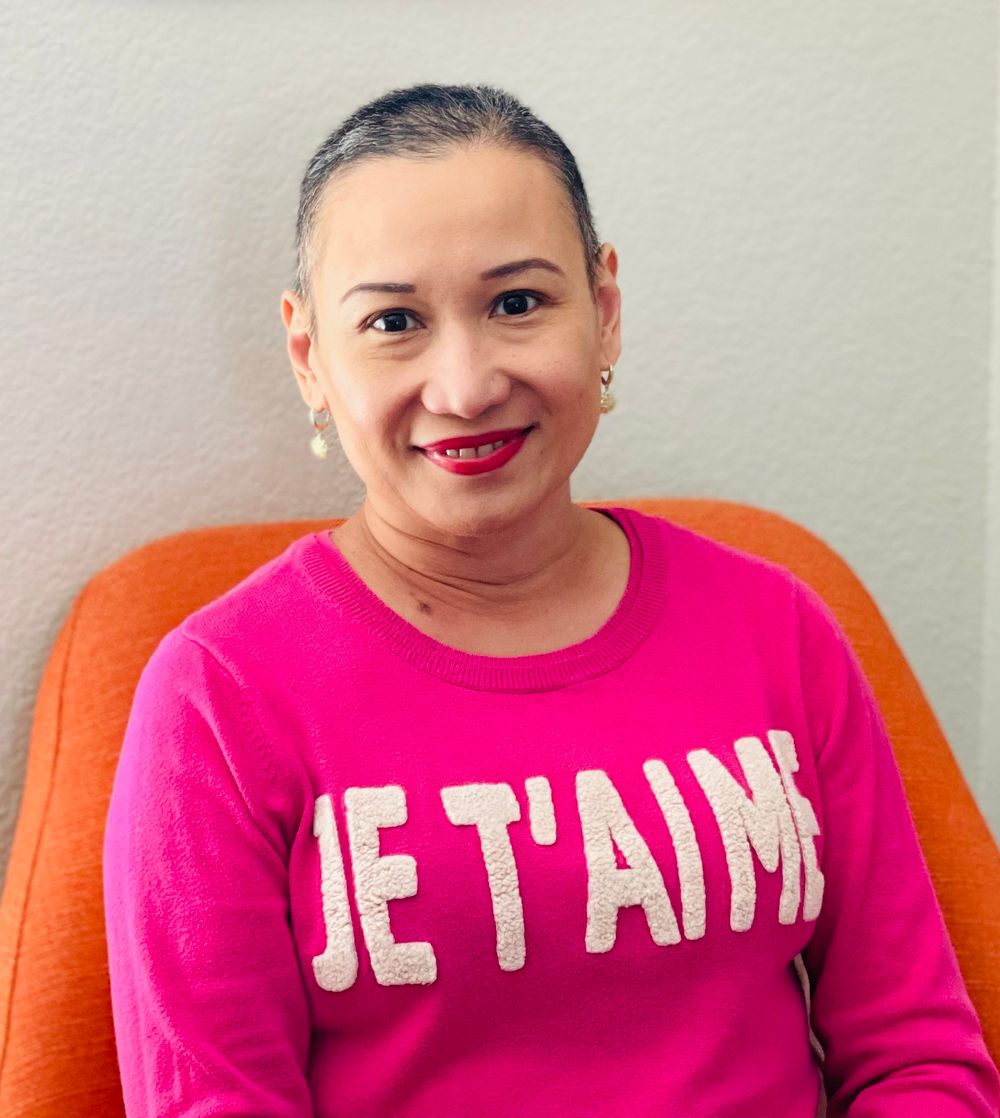
Hey I'm Michelle
Your Pink Sister and Tough-Love Cheerleader
You don’t have to lose yourself to breast cancer. 💗
Certified faith-based life + health coach.
Breast cancer survivor.
Wife. Mom. Warrior in heels.
Let’s get one thing straight:
You don’t have to lose yourself to breast cancer.
Not your faith.
Not your fire.
Not your future.
If you’re overwhelmed, exhausted, and wondering how you’re supposed to hold it all together while your life feels like it’s falling apart, you’re not alone.
I’ve been where you are: scans, side effects, sleepless nights, and the silent question: "God, am I going to be okay?"
And here’s what I know for sure:
You can still heal—physically, emotionally, and spiritually.
You can still feel strong, beautiful, and anchored in peace.
You can thrive in the middle of the fight.
Inside every blog post here, you’ll find faith-filled truth, real tools, and zero fluff.
We’ll quiet the fear, strengthen your body, process the hard emotions, lean hard into God’s promises.
And walk this road together.
Because you’re not broken.
You’re becoming.
💖 Live your most faith-fueled, pink-powered life... one healing step at a time.
PAGES
SOCIAL
