Navigating the Emotional Journey of Breast Cancer: A Guide for Women of Faith
Monday, December 30, 2024
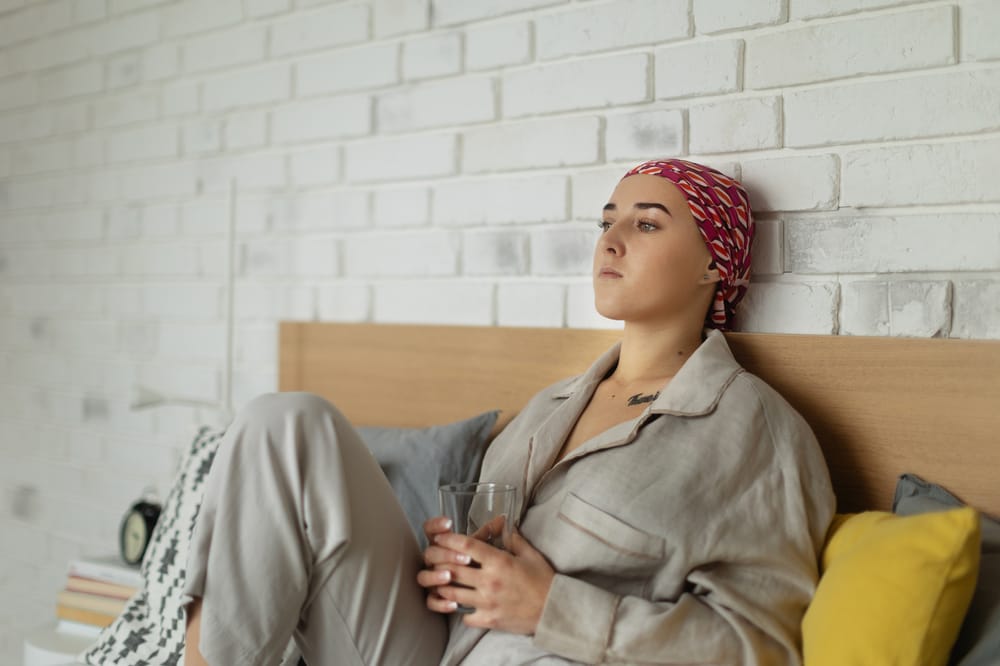
When I was first diagnosed with breast cancer, I was overwhelmed by a whirlwind of emotions. In the midst of the physical challenges, I was grappling with fear, sadness, and even moments of anger. There were times when I couldn’t fully process what was happening to me, and yet, I knew I wasn’t alone. My faith became the anchor that held me steady through the emotional storms and the support of other women walking similar paths reminded me I didn’t have to face this journey in isolation.
If you’re reading this, you too are a courageous woman of faith navigating a difficult journey, and I want to acknowledge the strength it takes to face each day. Understanding the emotional stages you’ll experience throughout your breast cancer journey is vital not just for your mental and emotional well-being but for fostering your resilience.
This post is for you—whether you’re newly diagnosed or well into your recovery. Together, let’s explore the emotional landscape of breast cancer and the power of embracing your emotions with faith and grace.
The Emotional Landscape of Breast Cancer
Breast cancer can evoke a wide range of emotions. As you step into this journey, you may feel fear, sadness, anger, or even moments of hope. It’s perfectly normal to feel a mix of emotions at any time, and in fact, it’s part of what makes us human. Don’t ever feel like you have to hide or suppress your feelings, because every emotion you experience is a part of the process.
For many of us, the moment of diagnosis is a heavy blow. It can feel like the world stops, and hopelessness or desperation may immediately take over.
When I first heard the words, “You have breast cancer,” my mind couldn’t comprehend it. I was instantly flooded with a sense of shock. But here’s the truth: that emotional reaction is valid. Honor it. It’s okay to feel like you’re living in a fog for a while as you come to terms with your new reality.
The Stages of Emotion
Denial
Denial can manifest in many ways—sometimes as a reluctance to talk about the cancer or even refusing to believe it’s real. You might find yourself avoiding conversations with loved ones or doctors, hoping that somehow, it will all go away.
When I experienced this, I tried to convince myself that I could "will" the cancer away. But slowly, I came to realize that acknowledging the diagnosis, however painful, was the first step in my healing. If you’re experiencing denial, know it’s okay. Take it one step at a time, and gently allow yourself to face reality when you're ready.
Anger
Anger can come out of nowhere. You might feel angry at your body for failing you, at the world or God for being unfair, or even at yourself for things you wish you had done differently.
For me, anger surfaced when I thought about all the things I wanted to do but felt cancer was now standing in my way. I also enumerated the names of people who deserved this more than I did.
Journaling helped me release my frustration and express what I couldn't say out loud. Find healthy ways to let your anger out—whether it's through creative outlets or talking with someone you trust.
Bargaining
Bargaining often looks like wishing for different outcomes or trying to negotiate with fate. “If only I’d caught it earlier,” or “Please, God, let this be just a bad dream.”
I, too, spent time bargaining with God by asking him for as little side effects as possible throughout my chemo treatments and in return, I’ll continue to serve at Church.
In these moments, remember to lean into your faith. Express your feelings, and know that it’s okay to ask for what you need in your heart.
Depression
The emotional weight of breast cancer can sometimes feel too much to bear. Days can feel long and heavy, and the thought of facing treatment may bring feelings of hopelessness. If you find yourself feeling low, please know that you don’t have to go through this alone. Depression is real, but it’s treatable.
Reach out to a counselor, talk to your doctor, or speak to a loved one. Developing a self-care routine can also help in these moments—whether it’s something small, like taking a walk, or something more intentional, like resting when you need it.
And if you need to take medication to manage your depression, give yourself grace. Nobody asked to be in this situation so do what you need to do to take good care of yourself and your emotions.
Acceptance
Acceptance isn’t about being okay with everything. It’s about finding peace with your diagnosis.
For me, the moment of acceptance came when I realized that, although cancer was a part of my story, it didn’t define me. And that this did not happen TO me, it happened FOR me. Those realizations filled me with a sense of clarity and hope.
Acceptance doesn’t mean giving up; it means surrendering to the journey and trusting that you will grow stronger with each step.
Navigating Emotional Fluctuations
It’s important to remember that emotions aren’t linear. You may find yourself feeling one way one moment, and another way the next. It’s a rollercoaster, and that’s completely normal.
I’ve been through times where I thought I had “accepted” my diagnosis, only to find myself back in anger or fear. Emotions don’t follow a straight path—they ebb and flow.
To manage these fluctuating feelings, I encourage you to practice mindfulness, journal your thoughts, and seek support through therapy or support groups. Whatever works for you, remember that it’s okay to feel a range of emotions. Take each moment as it comes and give yourself the grace to feel deeply.
The Role of Support Systems
Leaning on family, friends, and fellow breast cancer survivors is one of the most valuable resources during this time. Let your loved ones know what you need, whether it’s help with daily tasks or just someone to listen. Being vulnerable with others can create strong bonds that support your emotional healing.
Don’t hesitate to seek out communities, either in person or online, where you can share experiences with others who understand. There’s strength in numbers, and connecting with others who are walking similar paths can remind you that you’re not alone.
Nurturing Yourself Through the Journey
Self-care is crucial in navigating your emotional landscape. When you’re feeling overwhelmed, try incorporating practices that help you ground yourself, such as journaling, taking nature walks, or even engaging in art. These activities can help you process and release pent-up emotions.
Mindfulness has also been a powerful tool for me during moments of stress or fear. Deep breathing, prayer, or simply focusing on the present moment can help calm your mind and ease emotional turbulence. These practices don’t erase the emotional challenges, but they help you stay centered.
Renewing the Mind
One of the most powerful tools I discovered while navigating my emotional journey with breast cancer was the ability to renew my mind by changing the way I think. Our thoughts are the foundation upon which our emotions are built, and by shifting the way we perceive our circumstances, we can impact the way we feel, respond, and ultimately navigate the healing process.
For instance, when I was consumed by fear, sadness, or frustration, I noticed how those thoughts created a negative emotional response that left me feeling even more drained. But when I started changing my thinking—focusing on faith, hope, and gratitude—it led to a shift in my emotions. I began to feel calmer, more hopeful, and more in control of my reactions. This change in mindset not only made me feel better emotionally but also helped me take actions that supported my healing.
My prevalent thought as I was going through breast cancer treatments was “Everywhere I looked, I see miracles!” True enough, God opened my eyes to see the miracles (big and small) happening all around me.
Changing your thoughts may sound simple, but it can have a profound impact. What we focus on grows. Our brains are wired to think automatically, often pulling us into fear, doubt, and negativity. However, we have the ability to reframe those thoughts—choosing thoughts that align with our values, faith, and resilience.
Here’s how changing your thoughts can shift the course of your journey:
1. Thoughts Trigger Emotions
The thoughts we think create emotions in our bodies. For example, thinking “This journey will break me” leads to feelings of despair. On the other hand, thinking “With faith, I can face anything” generates hope. These feelings directly influence how we show up to our day and the actions we take.
2. Emotions Drive Actions (or Inactions)
Emotions often fuel our actions or inactions. If we are feeling afraid and helpless, we may freeze or avoid taking necessary steps. But when we choose thoughts of confidence, trust, and empowerment, we are more likely to take positive actions that contribute to our healing and recovery.
3. Actions (or Inactions) Create Results
Our actions (or inactions) yield results. By taking consistent actions rooted in hope and belief in our strength, we begin to create the outcomes we desire—whether that’s improved health, deeper faith, or better emotional well-being.
4. Changing Thought Patterns
If negative thought patterns have been a part of your journey, don’t be discouraged. The key is to practice renewing your mind every day. Start by noticing your thoughts and intentionally redirecting them to those that serve you. Prayer, affirmations, and scripture reading were powerful tools I used to transform my mindset.
As you go through your own breast cancer journey, know that renewing your mind can be one of the most effective ways to change your emotional landscape. Just as you work to strengthen your body physically, nurture your mind emotionally. Remember, your mind is a powerful thing—what you think can shape the life you lead. Choose thoughts that empower and inspire you, and watch how it changes not only the way you feel but also the actions you take.
This shift in mindset allows you to embrace the emotional waves of the journey with a sense of control, power, and most importantly, faith. Change your thoughts, and you’ll see how they lead to transformation in your body, emotions, and actions.
Lastly, keep in mind that experiencing a wide range of emotions is completely normal. As you move through your breast cancer journey, allow yourself the grace to feel each emotion without judgment. Be gentle with yourself, and lean on the support systems that surround you. You are resilient, you are loved, and you are not alone.
I’ll never forget the moment when I looked in the mirror and realized how far I’ve come—physically, emotionally, and spiritually. The journey isn’t over, but that moment of breakthrough reminded me that I was stronger than I thought.
I love this quote from Dr. Martin Luther King Jr - “If you can't fly then run, if you can't run then walk, if you can't walk then crawl, but whatever you do you have to keep moving forward.”
Live your best pink life, friends. You’ve got this.
P.S. If you like this post, I have a free guide that you might be interested in. It’s called Empowered Journey: A 5-Step Holistic Guide for Women Navigating Breast Cancer and you can click the button below to get it.
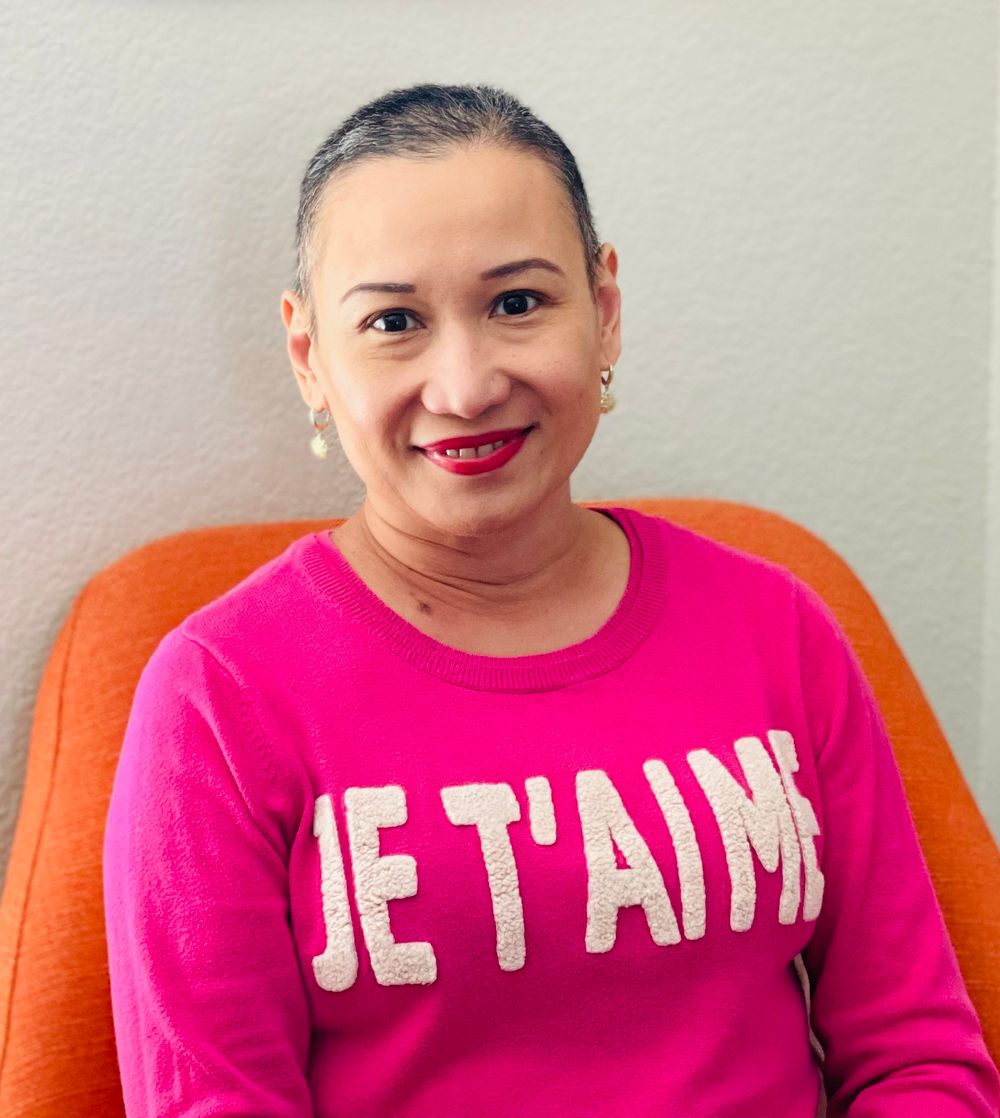
Hey I'm Michelle
Your Pink Sister and Tough-Love Cheerleader
You don’t have to lose yourself to breast cancer. 💗
Certified faith-based life + health coach.
Breast cancer survivor.
Wife. Mom. Warrior in heels.
Let’s get one thing straight:
You don’t have to lose yourself to breast cancer.
Not your faith.
Not your fire.
Not your future.
If you’re overwhelmed, exhausted, and wondering how you’re supposed to hold it all together while your life feels like it’s falling apart, you’re not alone.
I’ve been where you are: scans, side effects, sleepless nights, and the silent question: "God, am I going to be okay?"
And here’s what I know for sure:
You can still heal—physically, emotionally, and spiritually.
You can still feel strong, beautiful, and anchored in peace.
You can thrive in the middle of the fight.
Inside every blog post here, you’ll find faith-filled truth, real tools, and zero fluff.
We’ll quiet the fear, strengthen your body, process the hard emotions, lean hard into God’s promises.
And walk this road together.
Because you’re not broken.
You’re becoming.
💖 Live your most faith-fueled, pink-powered life... one healing step at a time.
PAGES
SOCIAL
