Finding Your Rhythm: Balancing Work, Life, and Treatment During Breast Cancer
Monday, December 16, 2024

When I was diagnosed with breast cancer, I found myself trying to juggle a life that sometimes felt unmanageable and chaotic. I had to manage treatment schedules, work demands, and the everyday responsibilities of being a wife and a mom. This journey taught me the importance of seeking balance, even when life feels anything BUT balanced. And today, I want to share some of those hard-won lessons with you.
If you’re navigating the new and overwhelming path of breast cancer treatment while balancing work, family, and other responsibilities,, this post is for you. Together, we’ll explore ways to cultivate a sense of harmony, so you don’t have to feel like you're doing this alone. We are resilient women, leaning on each other in faith and strength.
Here are some tips that helped me navigate the demands of this chaotic time in my life and I hope you'll find them helpful too.
1. Understand the Challenge
Managing treatment, work, and personal life isn’t easy. It’s common to feel overwhelmed and stretched thin. You may be asking yourself, "How can I possibly keep up with everything?" Know that you’re not alone in feeling this way, and it’s okay to acknowledge that balancing all of these responsibilities is tough.
During this season, focus on what truly matters to you. Make a list of your priorities, whether it’s health, family, work, or faith. Writing them down can provide clarity and serve as a compass to help you navigate each day. It’s a reminder that while you may not be able to do it all, you can focus on the things that bring you peace and purpose.
2. Design your Days
My planner became my lifeline during treatments. Every Sunday, I would map out my week by identifying my top three priorities for each day. I then blocked out dedicated time in my calendar for what mattered most—whether it was treatment appointments, work tasks, or much-needed rest. This simple routine gave me a clear picture of my schedule before the week even began, helping me feel more in control. It became such an essential part of my life that I still rely on it to this day.
When you’re navigating the challenges of breast cancer treatments, finding a schedule that works for your unique situation is essential. A well-thought-out plan can help you balance treatments, work, and personal responsibilities without feeling completely overwhelmed.
Take some time each week to map out your upcoming days. Write down your treatments, appointments, and work deadlines. Block off time for self-care, rest, and family activities, too. Keep in mind though that unexpected changes can happen—like rescheduled appointments or days when you’re too fatigued to stick to the plan. Be gentle with yourself and adjust as needed.
3. Manage Work Commitments
While you can have an open communication with your employer or coworkers to maintain work-life balance, you can also be selective and intentional with the details you share.
Explain that you may need flexibility in scheduling due to medical appointments and treatments. You might say something like, “I have medical appointments coming up that will require adjustments to my schedule. I’ll keep you informed about specific days and times.”
You can check with your company if they allow for accommodations under the American Disability Act (ADA). When I was going through chemo, surgery, and radiation, my doctor worked with my company’s Accommodations team to enable me to work from home.
Advocating for what you need is important—this isn’t the time to shy away from asking for support. Your health is the top priority, and having the right accommodations in place can help ease the stress of balancing work and treatment.
4. Set Realistic Goals
Cancer treatments often demand a new way of approaching goals. Set small, achievable work goals that consider your energy levels and treatment schedule. As someone who struggled with perfectionism, I found great peace in allowing myself to embrace “good enough.” You’re doing the best you can, and that is more than enough.
Take this as a reminder to give yourself grace and not bite more than you can chew. It's easy to feel the pressure to maintain the same pace or accomplish as much as you did before, but cancer treatment can significantly impact your energy levels and focus. There will be days when fatigue will get to you so be gentle with yourself. Rather than pushing through and risking burnout and overhwelm, allow yourself the space to rest and recharge.
Set realistic goals for each day based on how you're feeling—whether it’s a small task like replying to emails or simply taking time for self-care. You don’t need to be superwoman, and it’s okay to adjust your expectations. Healing isn’t linear, and neither is productivity. Recognize your efforts, no matter how small, and remember that giving yourself grace is part of the process. Your body and mind need time to heal, and that’s where true strength comes from.
5. Nurture Personal Life and Relationships
Family and friends are essential pillars of support during this time. Prioritize nurturing these relationships by scheduling regular check-ins or outings. Even a simple coffee chat or phone call can strengthen connections and bring a sense of normalcy.
I have a very close friend who lives in another state who checked on me almost weekly while I was going through treatments and towards the end of my chemo, she visited us here in Austin. Even while she was away, I felt her love and concern throughout my journey.
We also have friends who ordered a meal through Doordash after my surgery so I won’t have to worry about dinner.
We are very grateful that though we decided to tell only a few people about our journey, they showed up for us in big ways.
6. Learn to Delegate
During breast cancer treatments, it's important to recognize that you can’t do everything on your own, and that's perfectly okay. Learning to delegate is one of the most powerful tools you can use to lighten your load. Delegating allows you to conserve your energy for what matters most—your health and recovery.
Start by identifying tasks that don’t necessarily require your personal attention. At home, this might mean asking your partner, children, or a trusted friend to help with chores like meal prep, grocery shopping, or laundry. At work, see if there are projects or responsibilities that can be temporarily reassigned to colleagues or team members. Being honest about your limitations and asking for help is not a sign of weakness; it's an act of self-care.
Don’t hesitate to lean on your support system—family, friends, and coworkers are often more than willing to step in. You might feel guilty at first, especially if you’re used to being the one who handles everything, but remember that delegating doesn’t make you any less capable. It’s simply a way to ensure that you’re giving your best to the things that truly need your attention, like your treatment, rest, and emotional well-being.
Delegation can also be empowering. It allows you to focus on what you can control and helps ease the burden of trying to manage everything on your own. The more you practice asking for help and sharing responsibilities, the more you’ll find that it's not only possible to manage your treatment and life, but you can do so with the support of others.
7. Create Quality Time
This period doesn’t have to be void of joy. You can still find joy in small moments with loved ones. Plan low-energy activities like watching a favorite movie, going for a short walk, or cooking a meal together. Cherishing these moments can help remind you of what you’re fighting for.
8. Prioritize Self-Care and Emotional Well-Being
Self-care is not a luxury—it’s a necessity. Incorporate small rituals like breathing exercises, light stretching, or spending a few quiet minutes in prayer. These little practices help replenish your energy and keep you centered.
And, while you’re going through this journey, there will be difficult emotions—fear, sadness, anxiety, worry, and perhaps even anger. Take time to acknowledge and express them, whether through journaling, talking with loved ones, or praying. I found comfort in reflecting on questions like, “What am I grateful for today?” or “How did I feel God’s presence today?” Processing these emotions is part of healing.
I also practiced a thought that carried me through my breast cancer journey - “Everywhere I look, I see miracles” and you know what, everyday, I was in awe of the many miracles around me.
Our thoughts create feelings in our body which in turn creates action or inaction. This action or inaction is what drives our results.
9. Connect with Faith and Inner Strength
In times of uncertainty, faith can be a powerful anchor. Lean on spiritual practices that uplift you, whether it’s prayer, meditation, or reading a meaningful scripture. My prayer time became a safe space where I could surrender my fears and doubts and draw strength from God’s promises.
Reach out to your church if there’s a community of women who meet regularly to study the Bible, or go through a Devotional together, etc. As I was going through treatments, I participated in Catholic Women in Community. These women became my prayer warriors. They uplifted me in prayer and the devotionals we were through brought me closer to God.
10. Cultivate Resilience
Resilience is a practice, not just a trait.
One of the best ways to build resilience is through mindset. Remind yourself that you are stronger than you think, and that while tough days will come, they don’t define you. Use positive affirmations like “This too shall pass” or “I am stronger than I feel” to reinforce your inner strength. Surround yourself with a supportive community of family, friends, and faith. Engage in practices that bring you peace, whether it’s prayer, meditation, or simply taking time for yourself.
The key is to embrace challenges as part of your journey, knowing that every step you take toward healing is an act of resilience. With each day, you’re not just surviving—you’re building the strength to thrive.
11. Find Physical and Mental Balance
Gentle movement, like walking or light yoga, can lift your mood and increase energy levels, even if it’s just for a few minutes a day. During my treatment, staying active was my way of telling my body, “I’m still here, still fighting.”
Even as simple as walking around your neighborhood for however long you can tolerate is good enough. I walked everyday as I was going through treatments because at that time, that was the only workout that I was able to do.
And, despite the chaos, try practicing mindfulness to stay present in each moment. Mindfulness can ease stress and help you feel more in control of your journey. Even just taking a few deep breaths can bring you back to a place of peace.
I discovered diamond painting while I was at the beginning of my own journey and it became a part of my mindfulness routine.
Arts and/or crafts are a great way to add to your mindfulness practices.
Finding balance is a journey, not a destination. It’s okay to need help along the way, and it’s okay to stumble. Remember to be gentle with yourself. If you’re struggling, reach out for support, for prayer, or even just to talk.
“Balance is not something you find, it’s something you create.” – Jana Kingsford
Live your best pink life, my friends!
P.S. If you like this post, I have a free guide that you might be interested in. It’s called Empowered Journey: A 5-Step Holistic Guide for Women Navigating Breast Cancer and you can click the button below to get it.
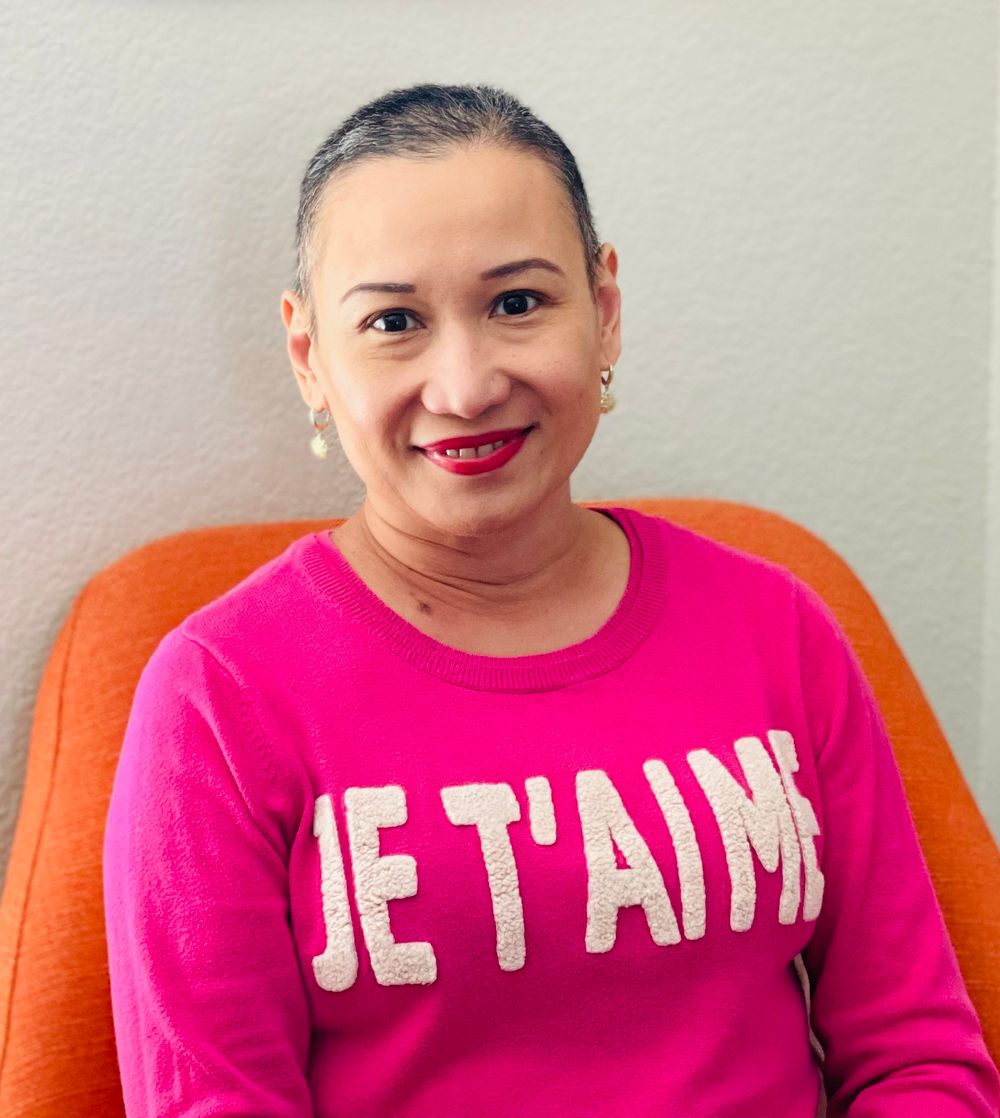
Hey I'm Michelle
Your Pink Sister and Tough-Love Cheerleader
You don’t have to lose yourself to breast cancer. 💗
Certified faith-based life + health coach.
Breast cancer survivor.
Wife. Mom. Warrior in heels.
Let’s get one thing straight:
You don’t have to lose yourself to breast cancer.
Not your faith.
Not your fire.
Not your future.
If you’re overwhelmed, exhausted, and wondering how you’re supposed to hold it all together while your life feels like it’s falling apart, you’re not alone.
I’ve been where you are: scans, side effects, sleepless nights, and the silent question: "God, am I going to be okay?"
And here’s what I know for sure:
You can still heal—physically, emotionally, and spiritually.
You can still feel strong, beautiful, and anchored in peace.
You can thrive in the middle of the fight.
Inside every blog post here, you’ll find faith-filled truth, real tools, and zero fluff.
We’ll quiet the fear, strengthen your body, process the hard emotions, lean hard into God’s promises.
And walk this road together.
Because you’re not broken.
You’re becoming.
💖 Live your most faith-fueled, pink-powered life... one healing step at a time.
PAGES
SOCIAL
