Your Voice, Your Power: Advocating for Yourself During Breast Cancer
Monday, April 14, 2025
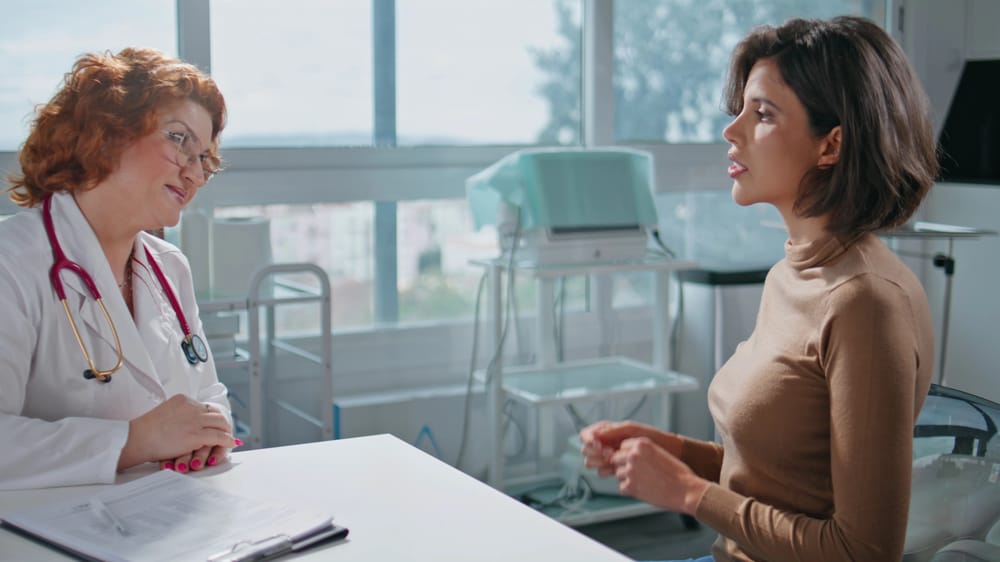
I still remember the moment my world changed—listening to my doctor say "you have breast cancer". At that moment, I wasn't just a woman in Technology or a mom of three busy boys. I wasn't thinking about my English bulldog waiting at home or the dinner I needed to prepare. I was simply a woman whose path had suddenly veered into uncharted territory.
When Faith Meets Fear
As a woman of faith who grew up in a devout Catholic family in the Philippines, my first instinct was to pray. But I'll be honest with you, sister—fear threatened to drown out those prayers at first. I understand that paralysis you might be feeling right now, that "God, why me?" moment that leaves you breathless and uncertain.
But God doesn't waste our pain. This journey—my Stage 1B diagnosis, those 15 grueling rounds of chemo, my lumpectomy, and 23 rounds of radiation—has revealed a strength in me that I never knew existed. And that same strength lives in you.
Finding Your Voice When It Matters Most
When faced with breast cancer, it's easy to feel like you're watching your life from the outside—especially when you're used to being the one everyone depends on. You manage a team at work, coordinate your kids' activities, and keep your household running. Now suddenly, you're the one needing care.
But advocacy isn't surrendering control—it's actually reclaiming it. It's saying, "This is my body, my journey, and my faith walk. I have a voice in this process."
Partnering With Your Medical Team While Honoring God's Wisdom
Your medical team brings expertise, but you bring something equally valuable—intimate knowledge of your body and spirit. I learned to approach my healthcare as a partnership guided by prayer.
Before appointments, I would pray for clarity and courage. During them, I'd ask questions without apology. After them, I'd reflect on whether the recommended path felt aligned with what God was speaking to my heart.
Remember, doctors aren't mind readers. When chemo left me worried about my compromised immune system, I had to clearly communicate how this impacted my daily life as a working mother. I advocated for myself by talking to my manager and our HR department about medical accommodations that allowed me to work from home. This adjustment helped me continue working full-time even during treatment.
Your Journal, Your Personal Testament
One practice that strengthened my advocacy was keeping a "healing journal":
- Keep a dated log of symptoms, side effects with time stamps, and questions that arise between appointments
- Track patterns in how your body responds to treatments
- Note emotional wellbeing alongside physical symptoms
- Track small victories and blessings—even on hard days
By keeping these records, I could identify patterns and communicate effectively with my medical team, leading to timely adjustments when needed.
This journal also became my companion during those 3 AM moments when fear would sit and stay with me, and during medical appointments when brain fog made it difficult to remember my concerns.
Making Every Appointment Count
When juggling work deadlines, your kid’s sports activity, and your son's college applications, medical appointments can feel like one more stressful item on your to-do list. Transform them by:
- Setting aside time before appointments for prayer and centering
- Prepare specific questions in advance, focusing on what matters most to you
- Notify your doctor through patient portals about topics you want to discuss so they would have ample time to prepare and give you definitive answers
- Bringing your husband or a close friend who can take notes while you focus on the conversation
- Ask for clarification when needed—no question is too small
- Asking for written summaries or recordings if your provider allows them
Your Support Circle: God's Hands and Feet
Breast cancer revealed something beautiful to me—how God works through community. As someone who grew up in poverty in the Philippines, accepting help wasn't easy for me. I was used to being the strong one, the provider. But this journey taught me that receiving support is an act of faith.
Your church family, closest friends, and even neighbors aren't just watching your struggle from a distance—they're standing at the ready, hearts open, waiting for a chance to walk this path with you. These aren't just people who care; they're God's provision manifested in human form during your most vulnerable season. Support can show up in meaningful ways—like a meal train to take the stress out of feeding your family when treatment leaves you drained, a friend driving you to appointments, or someone caring for your little ones so you can get the rest your body needs.
Breast cancer is more than a physical battle—it's emotional and relational. Different types of support sustained me:
- Emotional support from trusted friends who could simply listen
- Practical help with everyday tasks when treatment left me exhausted
- Connection with fellow survivors who truly understood
Allow others to be God's hands and feet in your life. This isn't burden—it's blessing. It gives others the gift of serving, just as you've served so many.
Navigating Decisions with Faith and Wisdom
Each treatment decision can feel overwhelming, especially when you're used to being decisive at work and home. I found peace by:
- Gathering information from trusted medical sources
- Understanding all my options, including alternatives
- Seeking wisdom through prayer and Scripture
- Balancing treatment effectiveness with quality of life considerations
- Seeking second opinions when something didn't feel right
- Trusting my intuition alongside medical expertise
- Remembering that God works through both modern medicine and natural healing
When I chose to maintain my low-carb lifestyle even during cancer treatment, some questioned this decision. But I knew my body had already healed from Type 2 diabetes through this approach, and I trusted this intuition. This decision supported my healing while helping me maintain the energy to care for my family.
Caring for Your Whole Self: Body, Mind, Heart, and Spirit
Cancer challenges every part of you—your physical strength, your emotional resilience, your relationships, and your faith. Holistic self-advocacy means:
- Acknowledge and honor your emotions without judgment—fear and grief are natural responses
- Set boundaries with well-meaning but overwhelming advice
- Find tiny moments of joy even on difficult days
- Protecting intimate moments with your husband from being overshadowed by cancer
- Practice gentleness with yourself when things feel too hard
- Deepening your spiritual practices when you need them most
I discovered that despite losing my hair and feeling physically changed, my husband still saw the woman he'd loved for over 20 years. Your fears about intimacy and feeling beautiful again are normal, but I promise you—the love between you can actually deepen through this valley.
Your Journey, God's Purpose
Self-advocacy transforms how you experience this journey. The skills you build now—speaking your truth with grace, honoring your intuition, documenting your experiences—will serve you far beyond cancer treatment.
This path wasn't one you chose, but through intentional self-advocacy anchored in faith, you reclaim agency in difficult circumstances. Your questions deserve answers. Your experience is valid. Your voice matters—always.
"Self-advocacy isn't selfish. It's understanding that you cannot serve from an empty vessel." —Eleanor Roosevelt
Remember, sweet sister, you're not just fighting breast cancer. You're creating a testimony that will one day strengthen another woman on her journey. Every time you speak up for your needs, you're not just healing yourself—you're blazing a trail of courage for others to follow.
Live your best pink life, my friends. 💗
P.S. If you're feeling overwhelmed by the thought of advocating for yourself during your breast cancer journey, I invite you to download my free resource, Empowered Journey: A 5-Step Holistic Guide for Women Navigating Breast Cancer. Remember, sweet sister, speaking up for yourself is powerful and necessary. Your voice is God's gift to you during this season. Let this guide support you in honoring your intuition, making decisions aligned with your values, and transforming your cancer experience from one of passive endurance to active participation in your healing story. You are never alone in this journey.
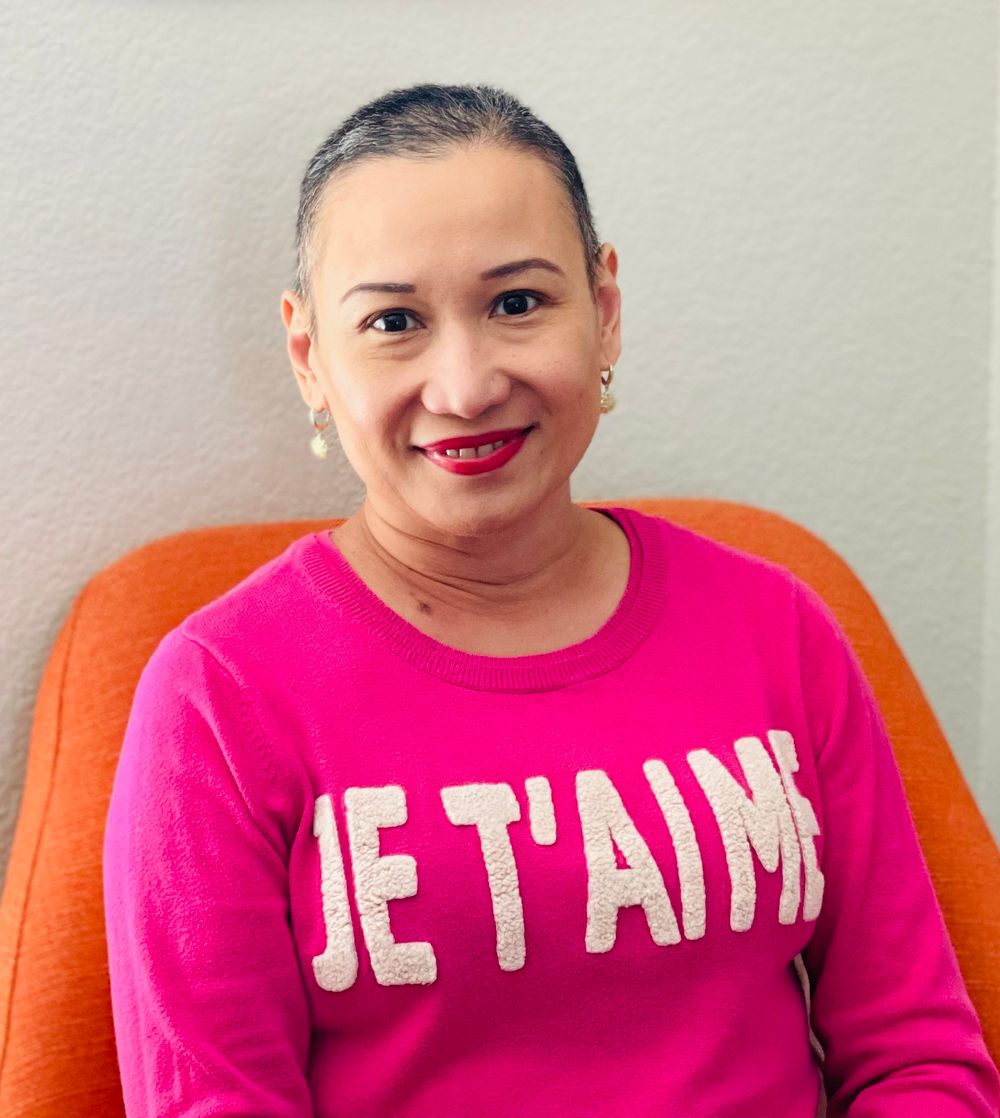
Hey I'm Michelle
Your Pink Sister and Tough-Love Cheerleader
You don’t have to lose yourself to breast cancer. 💗
Certified faith-based life + health coach.
Breast cancer survivor.
Wife. Mom. Warrior in heels.
Let’s get one thing straight:
You don’t have to lose yourself to breast cancer.
Not your faith.
Not your fire.
Not your future.
If you’re overwhelmed, exhausted, and wondering how you’re supposed to hold it all together while your life feels like it’s falling apart, you’re not alone.
I’ve been where you are: scans, side effects, sleepless nights, and the silent question: "God, am I going to be okay?"
And here’s what I know for sure:
You can still heal—physically, emotionally, and spiritually.
You can still feel strong, beautiful, and anchored in peace.
You can thrive in the middle of the fight.
Inside every blog post here, you’ll find faith-filled truth, real tools, and zero fluff.
We’ll quiet the fear, strengthen your body, process the hard emotions, lean hard into God’s promises.
And walk this road together.
Because you’re not broken.
You’re becoming.
💖 Live your most faith-fueled, pink-powered life... one healing step at a time.
PAGES
SOCIAL
